EURECA-PRO

EURECA-PRO Flagships:
The Communities Shaping the Strategic Challenges of the European Alliance

What are Flagships?

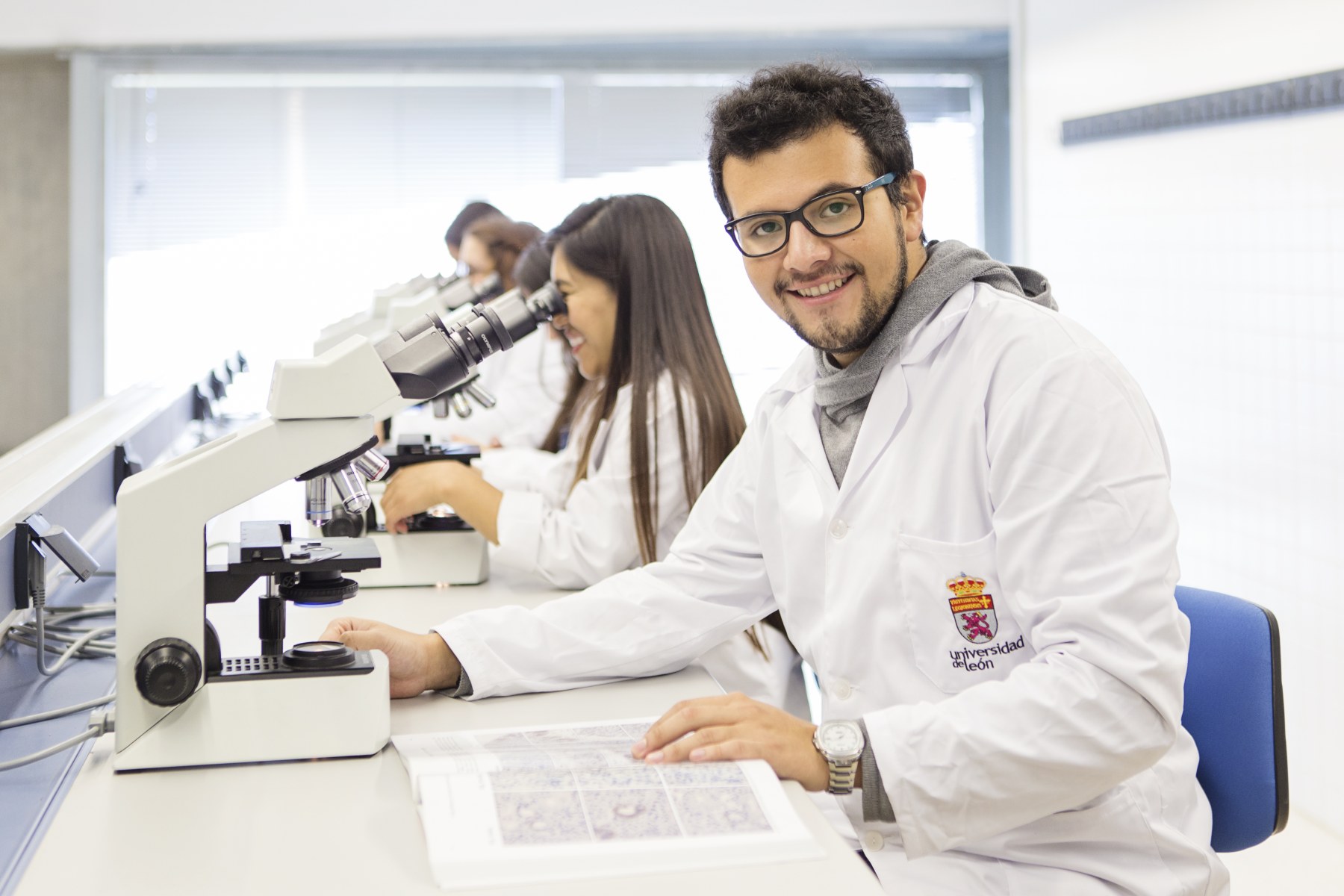
Flagships are living cross- and multidisciplinary academic communities at the heart of EURECA-PRO. They bring together researchers, PhD students and academics from across our Alliance to build lasting collaborations in Research, Education, Innovation and Collaboration with society (Third Mission), and involve external stakeholders.

Each Flagship shapes our European University from within and drives sustainable change by:

  • Shaping a long-term scientific vision aligned with one or more of our 5 Strategic Challenges
  • Sparking synergies with Innovation and Third Mission,
  • Integrating the design of educational activities (such as, for example, contribution to the EURECA-PRO Introductory lecture, alignment of PhD seminars with the Flagship focus, development of joint Master programmes, EURECA-PRO International Conference, etc.), and training seminars for Bachelor, Master and PhD students.
  • Promoting the search for additional research funding for EURECA-PRO, particularly through European Calls, but also national and regional ones.

As they evolve, Flagships will integrate new expertise, contribute to European research and educational project calls, and establish relationships with socio-economic partners to create a conducive environment for innovation, knowledge transfer, and science with and for society. 

By doing so, Flagships create fertile ground for interdisciplinary collaborations, and help position EURECA-PRO as a distinctive European network on Responsible Consumption and Production.

Ultimately, these academic communities should function as “laboratories without walls”, capable of driving scientific momentum, enriching educational programmes with new knowledge, and even initiating joint programmes or degrees. 

They should also be able to integrate new expertise as they evolve, contribute to European research and education project calls, and establish relationships with socio-economic partners to create a conducive environment for innovation, knowledge transfer, and science with and for society.

Below, you can find more information about the first EURECA-PRO Flagships and how to join the momentum:
Image hover effect image
Sustainable Mining & Resources

Read more

Image hover effect image
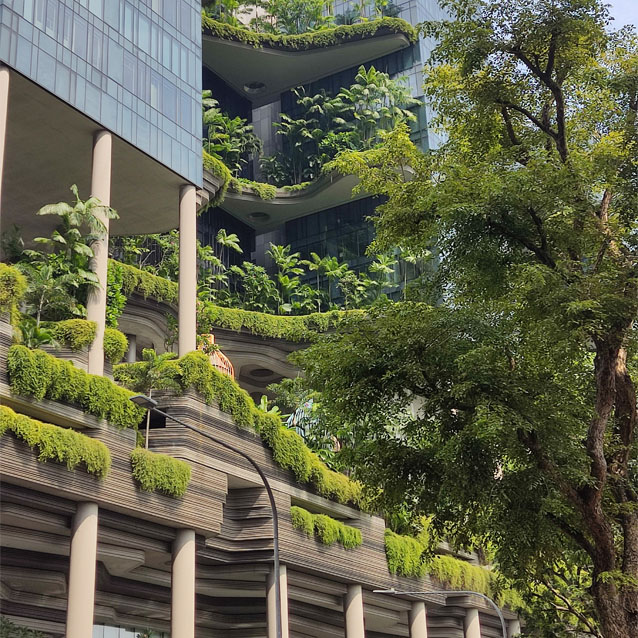
Sustainable Materials for Building [SuMaB]

Read more

Image hover effect image
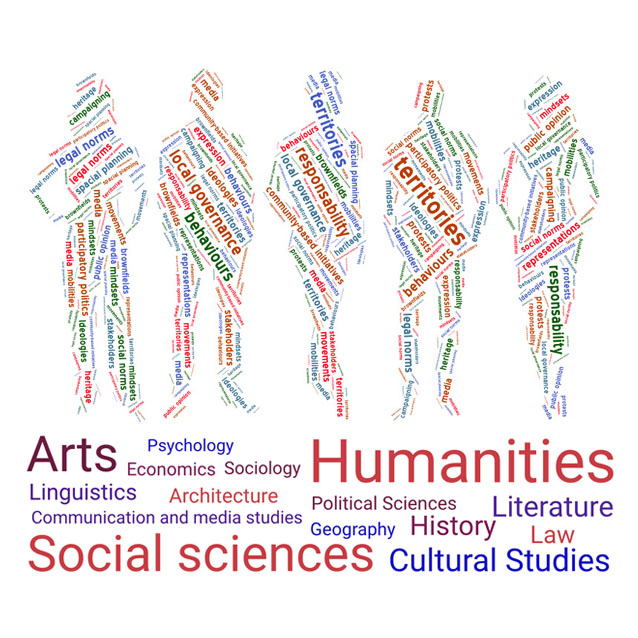
Social Sciences & Humanities for Transition(s) [SSH4T]

Read more

Image hover effect image
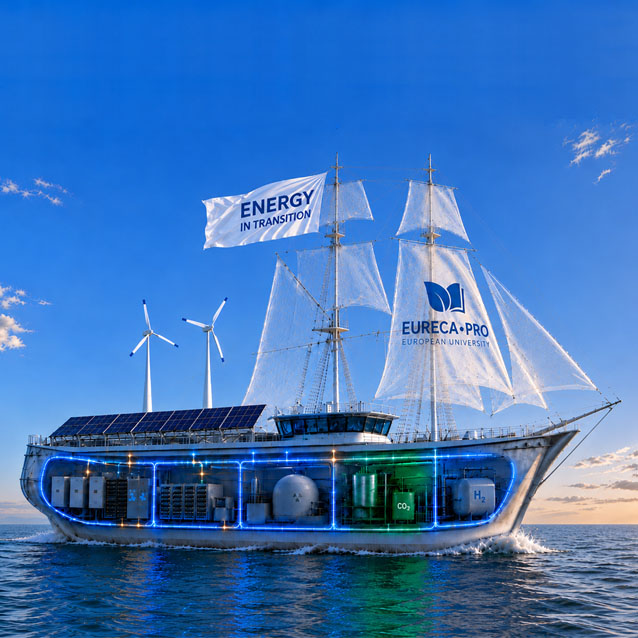
Energy in Transition

Read more

For further information:

Scroll to Top

Flagship: Sustainable Mining & Ressources

This Flagship contributes directly to SDG12 (Responsible Consumption and Production) by promoting sustainable practices across the entire resource lifecycle.

It focuses on responsible extraction of primary resources, circular use of secondary resources, product design that allows recycling and reuse, while also tackling post-mining challenges. The proposal also emphasises reducing unnecessary material demand through more efficient use of resources and smarter consumption choices. The overall goal is to minimise ecological and social harm, extend producer responsibility, and ensure that resource use supports lasting regional development rather than leaving behind permanent damage and structural dynamics of urban decline. In that regard, the Flagship combines expertise in engineering, environmental sciences, social sciences, and communication to create holistic solutions for resource governance. 

Research explores the use of digitalisation and artificial intelligence to reduce mining impacts, assess post-mining redevelopment policies, and develop participatory tools that connect resource projects with territorial development. Educational initiatives include a joint interdisciplinary master’s program and student exchanges, preparing future professionals to align industrial activity with sustainability. Innovation efforts focus on mining software, inclusive governance frameworks, and collaborations with industry to enhance transparency and trust.

By engaging with citizens and stakeholders, the Flagship will support the territorial implementation of circular economy models and contribute to a just transition that strengthens Europe’s sovereignty in critical raw materials. 

CONTACT
Dorian Maillard: dorian.maillard@univ-lorraine.fr

Flagship: Sustainable Materials for Building [SuMaB]

The Sustainable Materials for Buildings (SuMaB) Flagship addresses SDG12 by promoting environmentally safe, resource-efficient building materials that reduce waste and support circular economy principles. The initiative focuses on three thematic categories: Natural Materials, Recycled Materials, and Innovative Composites & Hybrids. These include bio-based alternatives like bamboo and mycelium, recycled materials, and smart technologies such as self-healing concrete and phase-change materials.

SuMaB brings together interdisciplinary expertise from materials science, engineering, environmental science, architecture, and economics to develop durable, energy-efficient, and low-carbon construction solutions. Expected impacts include reduced greenhouse gas emissions, improved indoor air quality, enhanced circularity, and strengthened local supply chains.

Aligned with EURECA-PRO’s Strategic Challenge A – ‘Circular Economy and Natural Resources Management for Sustainable Materials’ and the New European Bauhaus principles, SuMaB integrates research, education, and innovation to drive Europe’s sustainable construction transformation. The flagship community plans to pursue Horizon Europe funding opportunities from early 2026, including MSCA Doctoral Networks and Built4People Partnership initiatives.

CONTACT
Noni Maravelaki – pmaravelaki@tuc.gr
Marcin Gorski – marcin.gorski@polsl.pl
Wouter Schroeyers – wouter.schroeyers@uhasselt.be

Flagship: Social Sciences and Humanities for Transition(s)(SSH4Ts)

The Flagship Social Sciences and Humanities for Transition(s)(SSH4Ts) promotes sustainable consumption and production by considering individual and collective behaviour, which is shaped by historical, geographical, ethical and cultural factors, as a key driver of interconnected, ecological, social and economic transitions. From this perspective, such behaviour is understood to be embedded in the broader systems of values, beliefs and norms that permeate society as a whole, and which vary over time and across different geographical areas.

Firstly, behavioural change largely depends on scientific knowledge being accessible to the general public. In this respect, the humanities and social sciences play a crucial mediating role, enabling engineers and scientists to translate and communicate their findings to non-specialist audiences.

Secondly, this mediating role extends to economic actors, engineers and scientists themselves, who are social beings whose choices are shaped by their institutional, cultural and economic contexts. Engaging more deeply with the humanities and social sciences can therefore strengthen their sense of responsibility, fostering greater awareness of social needs, collective well-being and environmental concerns.

Finally, these two dimensions highlight a broader insight: sustainability cannot be treated as an autonomous or purely technical sphere. It can only be addressed holistically within a societal context in which consumers and producers are both embedded. Social justice, aesthetic values, conceptions of nature and economic growth, as well as institutional, collective and individual forms of responsibility are interwoven paradigms that jointly shape so-called green practices.

By drawing on the social sciences and humanities, the Flagship will contribute to transforming representations, norms and patterns of behaviour, fostering a multi-scale, cross-disciplinary conversation for a sustainable future.

CONTACT
Emmanuelle Gurtner (Université de Lorraine) – emmanuelle.gurtner@univ-lorraine.fr
Stéphane Guy (Université de Lorraine) – stephane.guy@univ-lorraine.fr
Karoline Gritzner (Technical University of Leoben) – karoline.gritzner@unileoben.ac.at

Flagship: Energy In Transition

Transition toward sustainable, low carbon energy production and utilization

The ‘Energy In Transition’ Flagship, within EURECA-PRO, advances Europe’s net-zero energy transition by integrating circularity, inclusiveness, and resilience across the full energy lifecycle—production, storage, consumption, and end-of-life. The Flagship seeks to stimulate intensive collaboration across disciplines between EURECA-PRO’s researchers and educators. Positioned under Strategic Challenge C (Energy Transition and Sustainable Energy Management), it brings together technical innovation with social, legal, and economic dimensions. 

The Flagship initiative operates as a transdisciplinary platform, engaging technical sciences (e.g., photovoltaics, hydrogen, nuclear technology, batteries, carbon capture), social sciences and humanities (just transition, consumer behaviour), law and economics (regulation, EU policy), and design and architecture (inclusive energy systems). The flagship targets research and educational integration in these topics for the different EURECA-PRO partners. Ultimately, it seeks to drive systemic innovation, pioneer integrated education-research models, and establish EURECA-PRO as leaders in undertaking the transition towards sustainable energy production aligned with EU priorities.

CONTACT
Wouter.Schroeyers@uhasselt.be 
Bouchra.Belaissaoui@univ-lorraine.fr
Patrizio.Manganiello@uhasselt.be
Robert.Emler@unileoben.ac.at
Markus.Lehner@unileoben.ac.at