Preparing the Next Generation of Research Project Leaders
- News
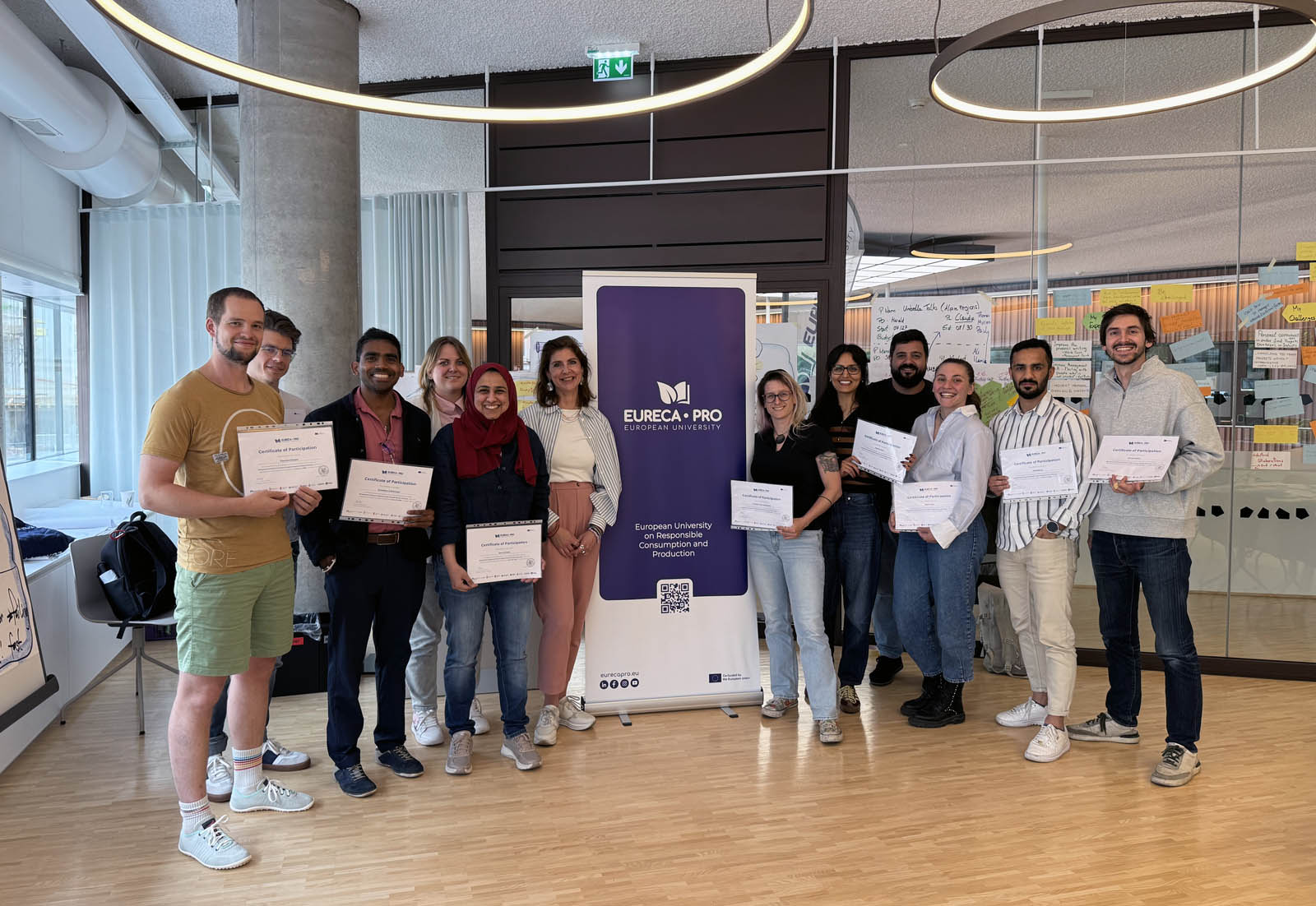
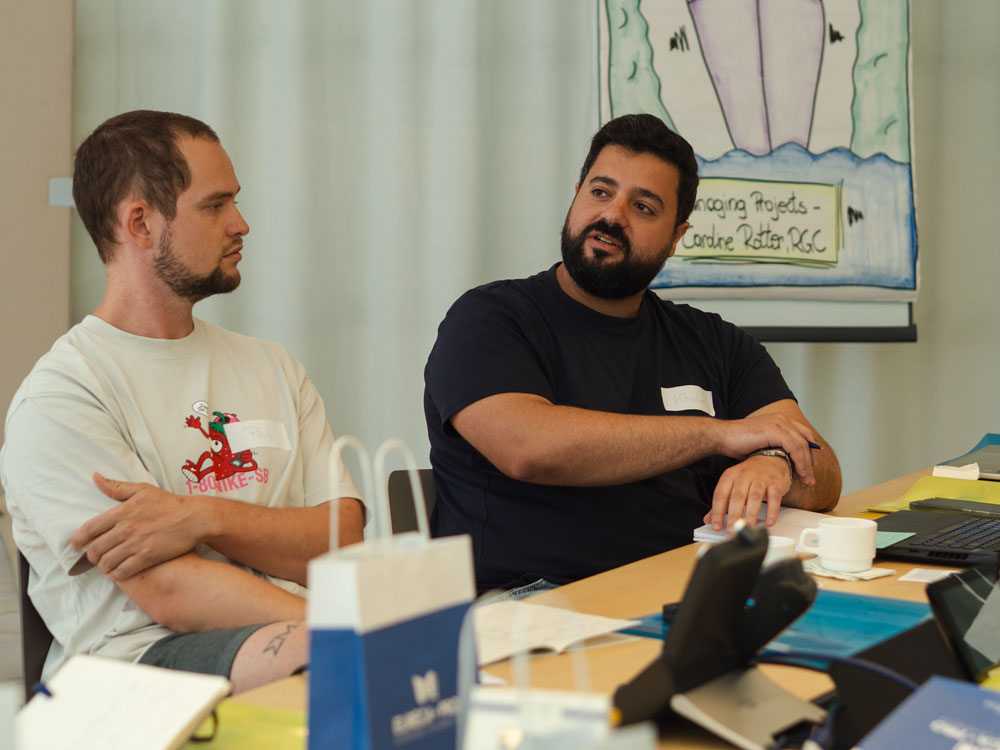
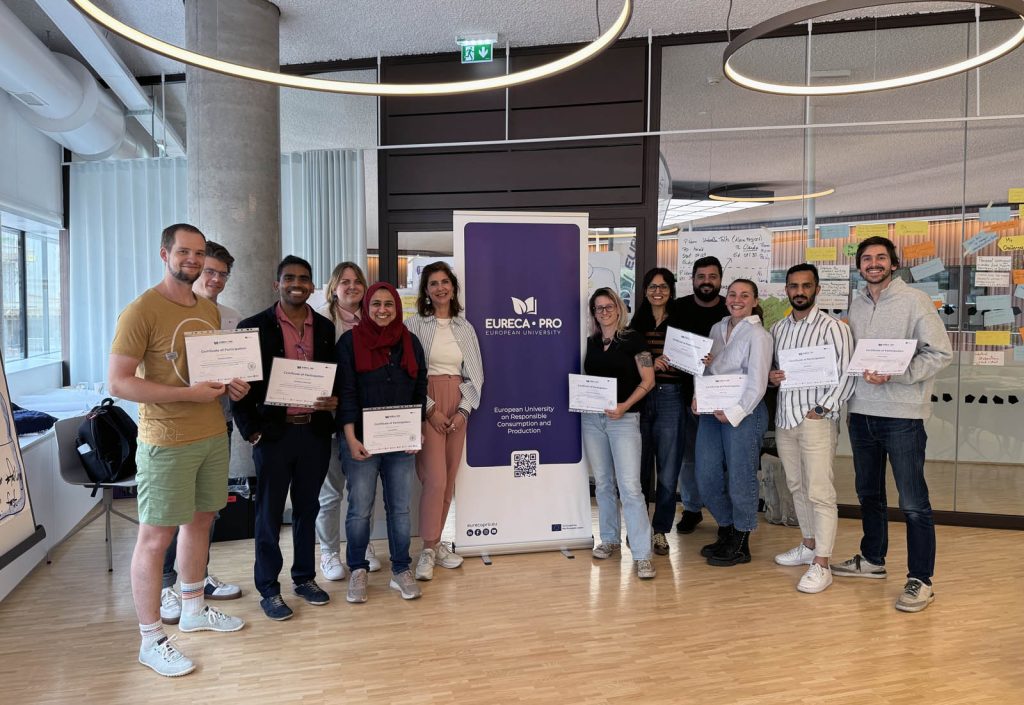
From June 8 to 12, 2026, Technical University of Leoben hosted a workshop for early-career researchers from three EURECA-PRO partner universities. During the week, the participants learnt basic skills in the areas of project management, team building and leadership, enabling them to manage their future projects successfully and sustainably.
Working on research projects is part of a researcher’s day-to-day life. They may be involved in a project from as early as their bachelor’s degree right through to their PhD. At some point in their career, however, they will apply for projects themselves and lead them independently. Yet the skills required for successful project management and project proposal submission are rarely taught and often have to be learnt through self-study.
Supporting PhDs and early-career researchers
The EURECA-PRO team in Leoben organised this workshop to equip young researchers with precisely these skills and prepare them for their future work in research. From drawing up a schedule and budget for a project, creating work packages to forming a team from a group of individuals – the participants of the “Management of Research Projects” workshop learnt all of it in just five days.
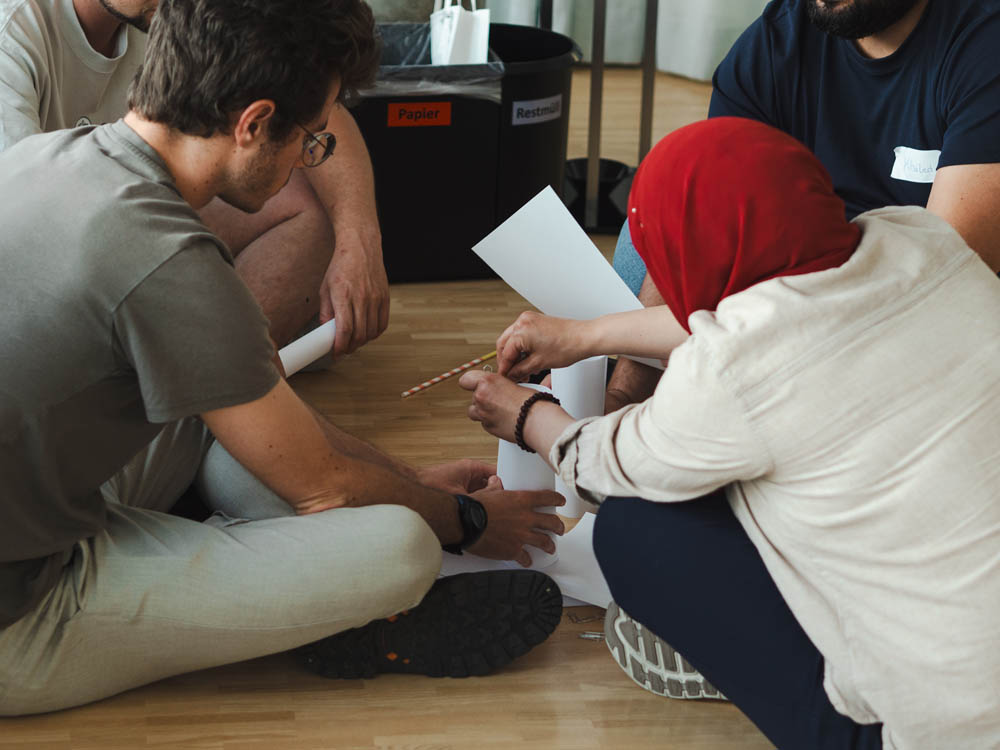
Researchers from TU Bergakademie Freiberg, Silesian University of Technology and Technical University of Leoben joined and worked together over the course of the week.
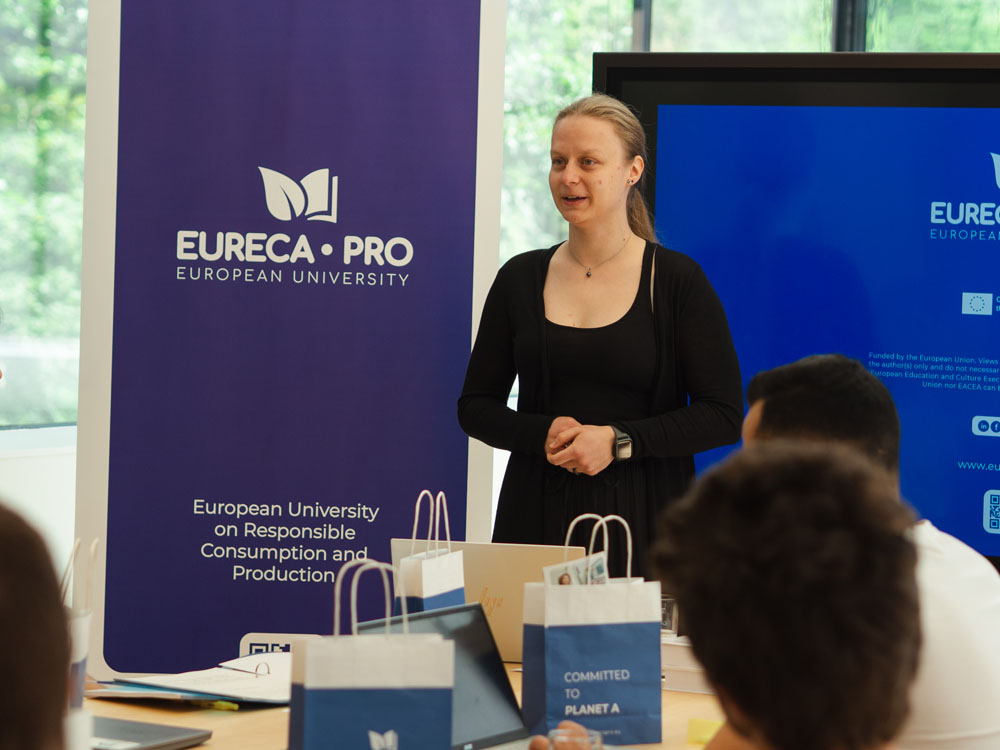
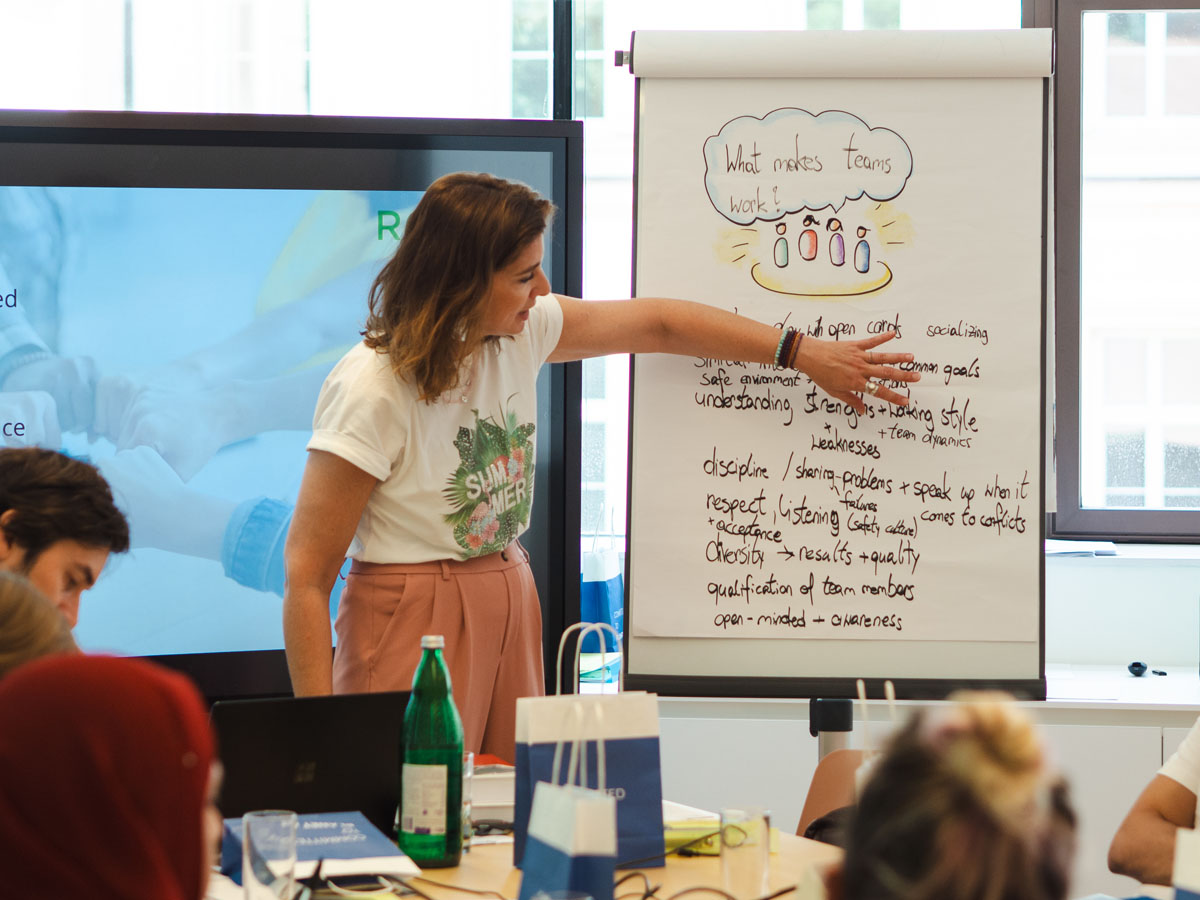
Intense 5-day workshop in Leoben
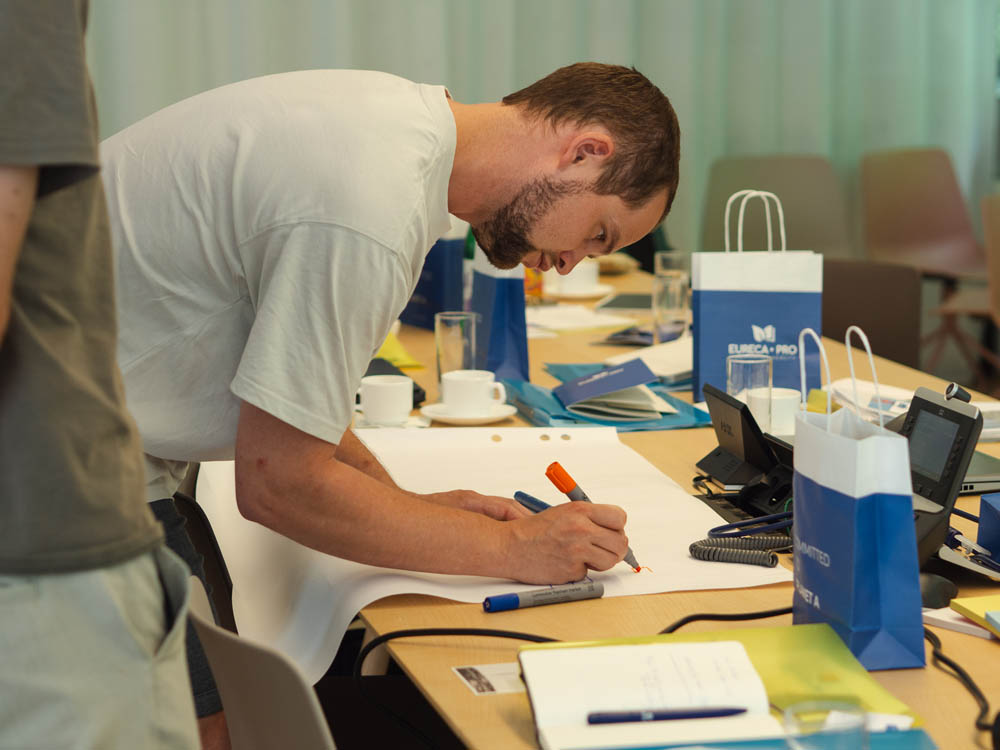
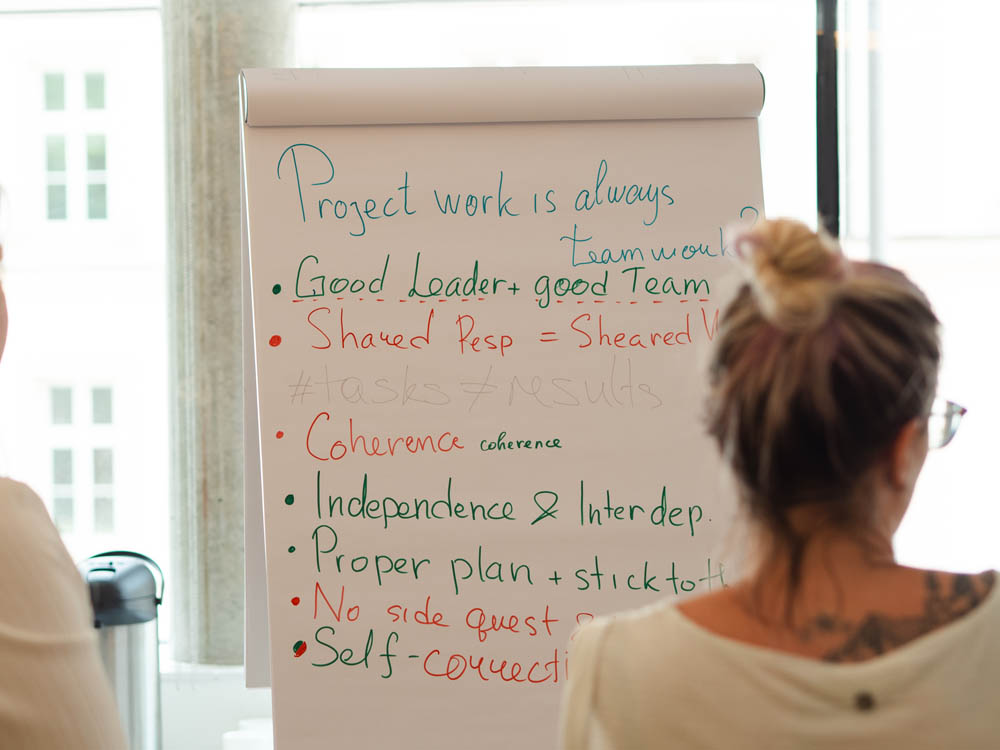
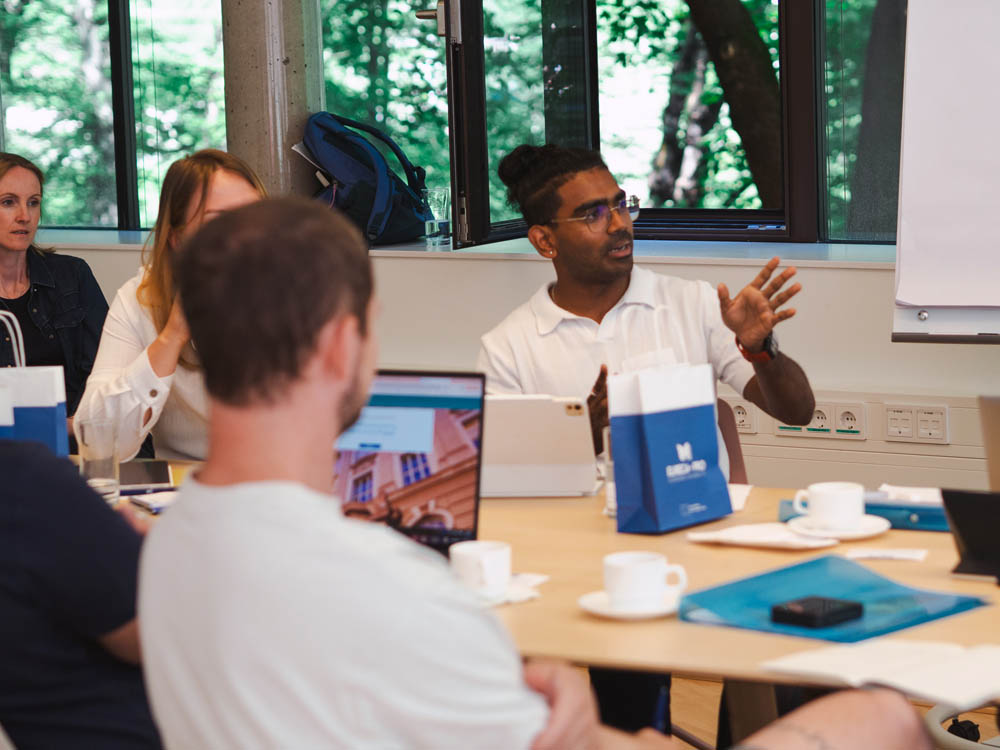
The workshop covered various project management methods and communication training provided by workshop-host Caroline Rotter. Participants started off on the first day with learning about communication strategies needed for successful teamwork and how to establish a strong foundation for future collaboration. Over the course of the following days, the workshop delivered a deep dive into the technical and social architecture of managing complex (research) projects spanning the entire project lifecycle – from initiation, boundary setting, and stakeholder analysis to designing robust management processes like project controlling, status reporting, and project closure.
Using the “Training on the Project” approach, these theoretical frameworks were immediately put into practice: Workshop participants applied the learnt project management methods – including defining objectives, creating work breakdown structures, project roles, scheduling, and estimating resources – to real-world research scenarios.
Caroline Rotter, workshop host:
-
For young researchers, one of the biggest transitions is moving from being just a small part of a project to leading a project themselves. Previously, they might have focused on a specific aspect of the research and got lost in the details, but in this new role as project lead, they need to keep an eye on the bigger picture.
You have to build a team you trust, to whom you can delegate tasks. You have to identify challenges and risks early on and keep a close eye on the schedule and budget. None of this is usually taught during the course of a study, which is why I am very happy that EURECA-PRO invited me to share about the topic of project management in this workshop.