

Training for digital transformation: three days of international exchange and student mobility within EURECA-PRO
- News
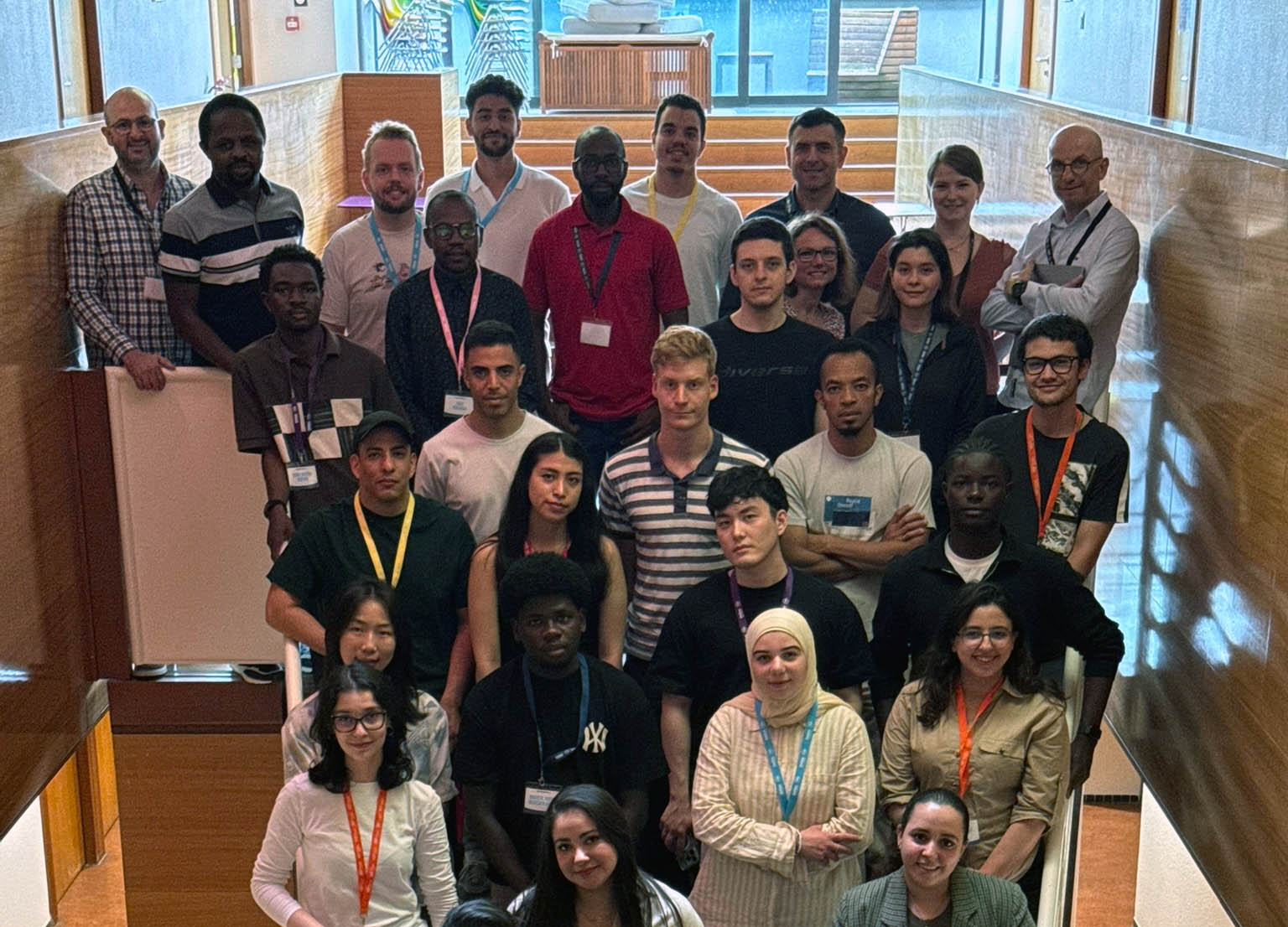
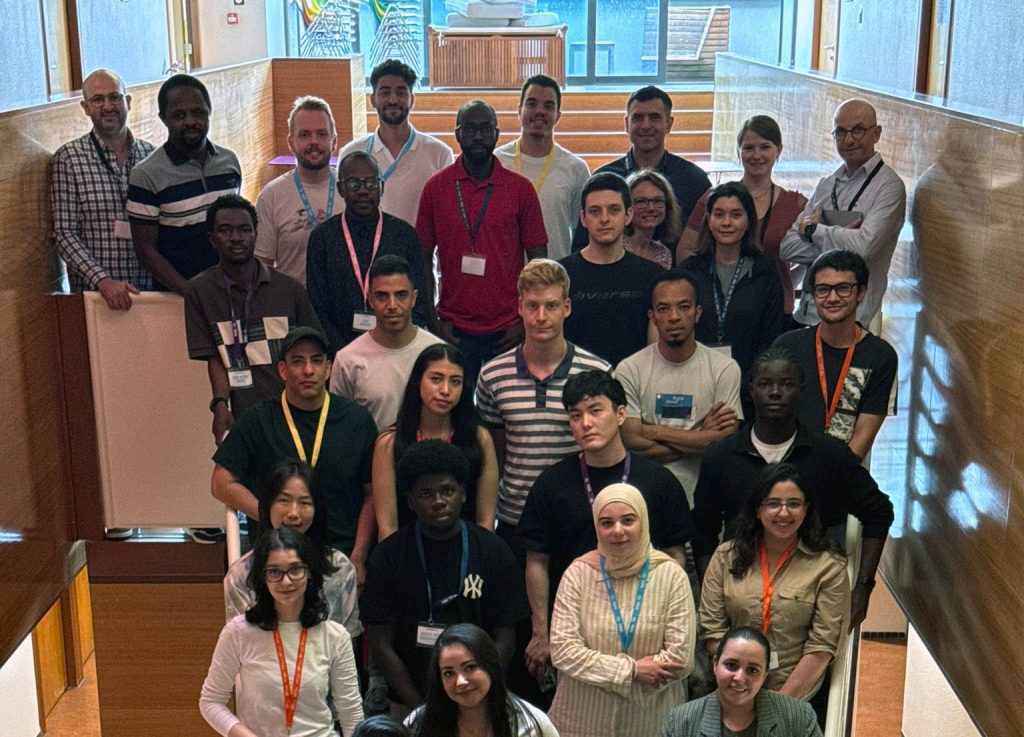
From 1 to 3 June 2026, the ORION programme and ENSGSI (one of Université de Lorraine engineering schools) hosted a Digitalisation of Enterprises and Organisations Workshop in Nancy, dedicated to the digital transformation of small and medium-sized enterprises (SMEs). The event brought together 36 participants from several international universities and networks, with a strong focus on collaborative learning and student mobility within the EURECA-PRO alliance.
Designed as an immersive, fully English-speaking and practice-oriented experience, the workshop enabled doctoral candidates and students to work together on a concrete challenge: reimagining how a traditional SME can evolve into a digitally enabled organisation, integrating technological, human and organisational dimensions.
A diverse group of international participants, driven by EURECA-PRO mobility
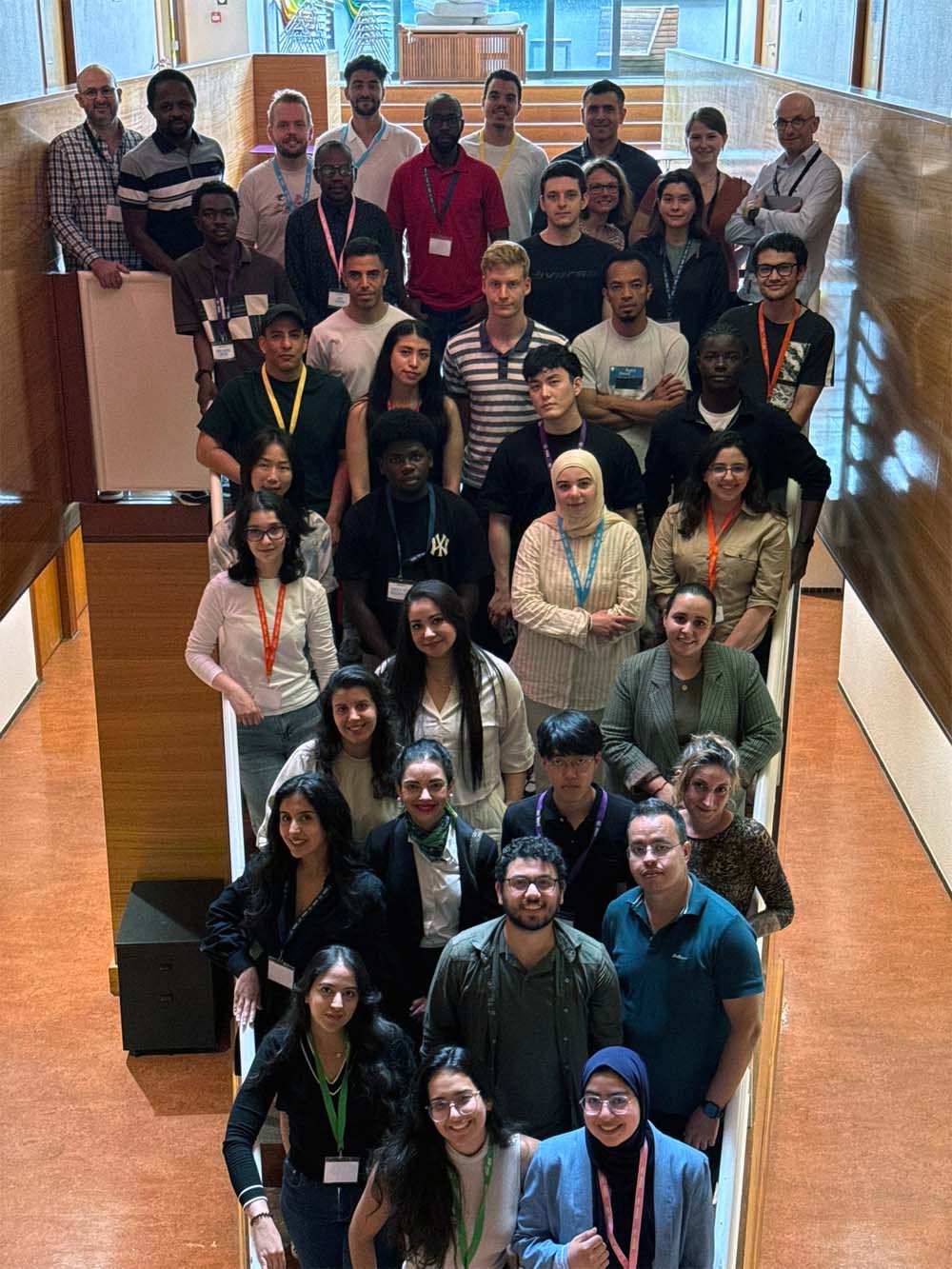
The workshop gathered 36 participants, fostering rich interdisciplinary and intercultural exchange. Among them were 9 PhD candidates from the Université de Lorraine, 15 doctoral researchers from the International University of Rabat, and 12 students from EURECA-PRO (Silesian University of Technology (Poland), University of Hasselt (Belgium) and University of León (Spain)).
Organised into nine mixed teams of four participants, students worked in highly diverse groups, combining different academic backgrounds, nationalities and disciplinary perspectives.

Victoria Lopes
For Victoria Lopes, a PhD candidate at the University of León, the international dimension was a key motivation:
- I saw it as an opportunity to build connections, learn, and enrich my own research project in León. The international and multicultural aspect is definitely what I appreciated the most: we learn a lot from each other. Bringing together knowledge from different fields really helps to strengthen and enrich projects.
Three days to design the SME of the future
Across three intensive days, participants engaged in collaborative sprint-based activities designed to simulate real-world digital transformation challenges.
Day 1 – Understanding and modelling the SME
After the opening session, teams began by analysing a SME case study, identifying its key processes and modelling its organisational structure.
Day 2 – Technologies and organisational impact
Participants explored digital transformation technologies and their implications for people and organisations. They also visited the AIP Lorraine, an Industry 4.0 demonstration platform at the interface between education, research and industry.
Day 3 – Finalisation and pitching
The final day was dedicated to refining solutions and presenting “SME 4.0 pitches”, showcasing each team’s vision for a fully digitalised SME.
Expert insights on AI and digital transformation
The workshop also featured expert lectures addressing current challenges in artificial intelligence and digitalisation, including:
- “Navigating the Generative AI Revolution for SMEs: Benefits, Risks, and Ethical Dilemmas” by Davy Monticolo (ENSGSI – Université de Lorraine), focusing on opportunities and challenges of generative AI for SMEs.
- “When AI Becomes the Nervous System of Your Factory” by Omar Jellouli (International University of Rabat), exploring the growing role of AI in industrial systems.
A meaningful academic and intercultural mobility experience
Beyond technical and methodological learning outcomes, the workshop provided a strong intercultural experience, reinforcing cooperation between students and doctoral researchers from different countries and academic traditions.
For EURECA-PRO, the event also illustrated the value of short-term blended mobility formats in strengthening cooperation, building shared learning experiences, and supporting the development of future engineers and researchers in responsible digital transformation.
To extend this international immersion, participants concluded the workshop with a guided visit of Nancy’s historic city centre, offering a cultural perspective on the host region.
