Cool Fish
Every morning, small-scale fishers return to shore with boats full of possibility. Yet without reliable cold storage, nearly one-third of their catch spoils before it can be sold or eaten. What should nourish families instead becomes loss driving food insecurity, shrinking incomes, and increasing pressure on fragile marine ecosystems. CoolFish is rethinking cold storage for the coastal regions: The modular, solar-powered system uses solar heat to generate refrigeration entirely off-grid without diesel and reliance on grid electricity. Designed for fishing communities, each unit helps preserve more of the day’s catch and builds a scalable, community-managed cold chain. By turning sunlight into cooling, CoolFish aids coastal communities protecting their harvest and strengthen local food systems.
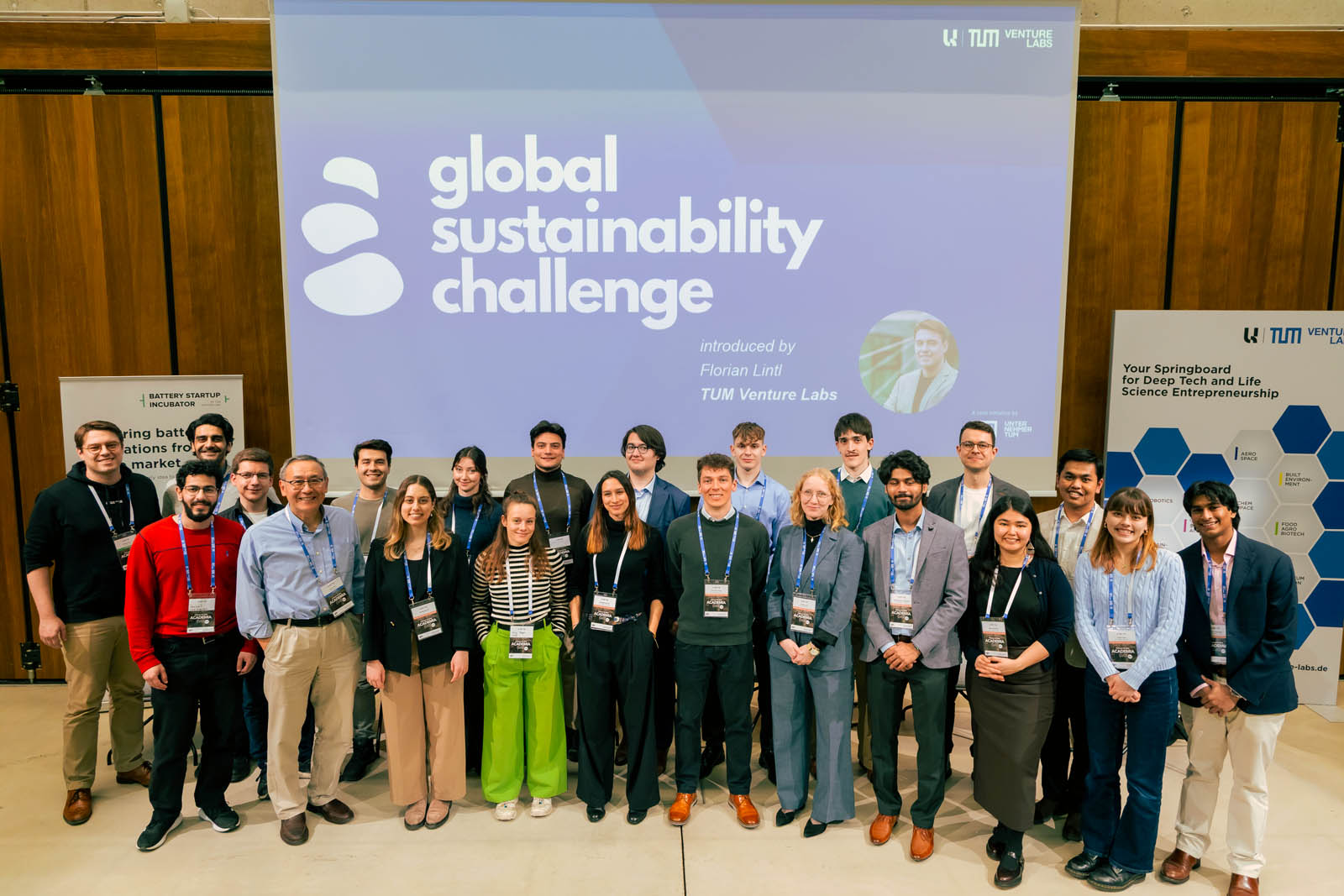
An international team of students from Université de Lorraine (DENSYS masters) has developed this innovative response to the real-world issue of food losses in isolated coastal communities. Winners of the European final of the Global Sustainability Challenge, launched by the Stanford University, these students fully embody the ambitions promoted by EURECA-PRO: educating a new generation of talents capable of addressing sustainability challenges through an interdisciplinary, international and impact-driven approach.
Your project focuses on maintaining the cold chain for fish products in the Indonesian islands through a solar-powered refrigeration system. How did you identify this challenge, and in what ways does your solution provide an innovative and sustainable response?
The idea for our project came from observing the realities faced by small-scale fishing communities in Indonesia. In many island regions, fishermen lack access to reliable cold storage because electricity infrastructure is limited or completely absent. As a result, a significant portion of their catch is lost before it can reach markets.
To address this challenge, we developed CoolFish, a solar-powered, off-grid cold storage system designed specifically for coastal and island environments. By using renewable energy, the system can operate independently of unreliable power grids while preserving fish at safe temperatures immediately after landing.
What makes the solution innovative is the combination of renewable energy, decentralized infrastructure, and community-scale deployment. Instead of relying on expensive centralized facilities, CoolFish provides an accessible and sustainable tool that helps reduce food loss, increase fishermen’s income stability, and strengthen the local blue economy.
Your analysis has been praised for its depth and rigour. How did you structure your approach (technical, economic and environmental) to design a solution that is genuinely applicable in the field?
From the beginning, we wanted to ensure that our solution would be realistic and deployable rather than purely theoretical. To achieve this, we structured our analysis around three main pillars.
First, the technical dimension, where we assessed cooling technologies, energy demand, and solar system sizing to ensure the refrigeration system could reliably maintain the cold chain in tropical island conditions.
Second, the economic analysis, where we evaluated installation costs, operational expenses, and potential income improvements for fishermen. This helped us verify that the system could be financially viable for local communities or cooperatives.
Finally, we examined the environmental impact, focusing on reducing fish waste and replacing diesel-based cooling solutions with renewable energy. By integrating these three perspectives, we aimed to design a solution that is not only sustainable but also practical for real-world deployment.
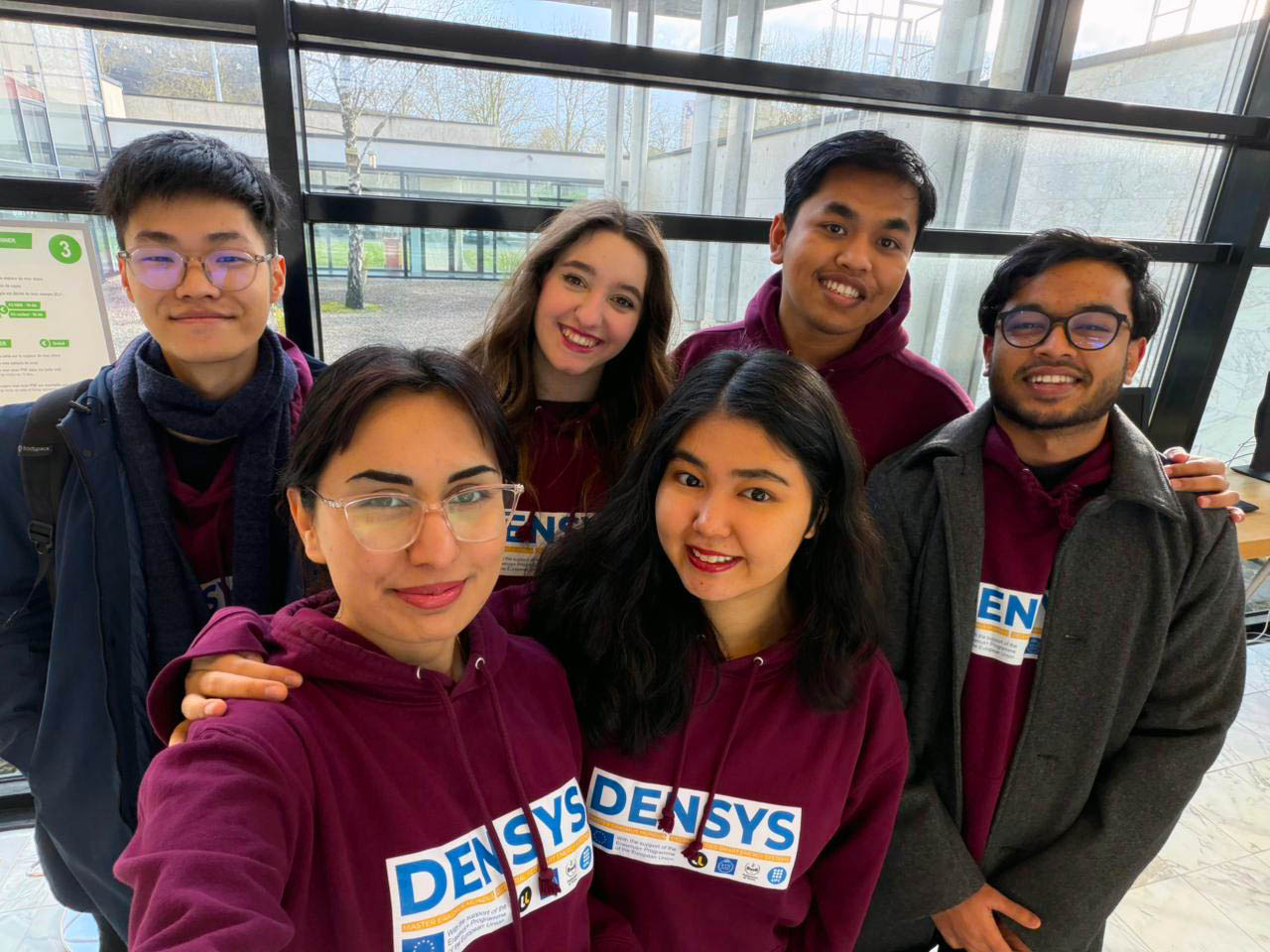
The group on their successful participation in the Global Sustainability Challenge:
- For us, this recognition confirmed that the problem of post-harvest fish losses in coastal communities is globally relevant and worth pursuing further.
Your team is multicultural (Pakistan, Indonesia, Bangladesh, Bosnia, Kazakhstan). How has this international diversity enriched your thinking and shaped the development of the project?
Our team’s diversity has been one of our greatest strengths. Coming from different regions—Pakistan, Indonesia, Bangladesh, Bosnia, and Kazakhstan—we each bring unique perspectives on energy access, climate challenges, and community needs.
For example, team members from coastal and developing regions provided first-hand insights into the challenges faced by fishing communities and the realities of infrastructure limitations. Others contributed technical expertise in renewable energy systems and energy policy.
This diversity helped us challenge assumptions, approach the problem from multiple angles, and ultimately design a more inclusive and context-sensitive solution. It also reflects the global nature of sustainability challenges, which require collaboration across cultures and disciplines.
As students on the DENSYS Master’s programme (Université de Lorraine), how does this international experience complement your academic training and inform your professional ambitions in the field of sustainable transition?
The DENSYS Master’s programme has provided us with a strong interdisciplinary foundation in energy systems, sustainability, and policy. Working on this project allowed us to apply that academic knowledge to a real-world challenge.
Participating in the Global Sustainability Challenge and presenting our work at the Technical University of Munich has also given us valuable experience in translating technical research into practical solutions with social and environmental impact.
More broadly, this experience reinforced our motivation to work in the field of sustainable transition. It showed us that innovation in renewable energy and resource management can directly support vulnerable communities while addressing global sustainability goals.