

Behind the scenes of a research project conducted between Nancy and Leoben
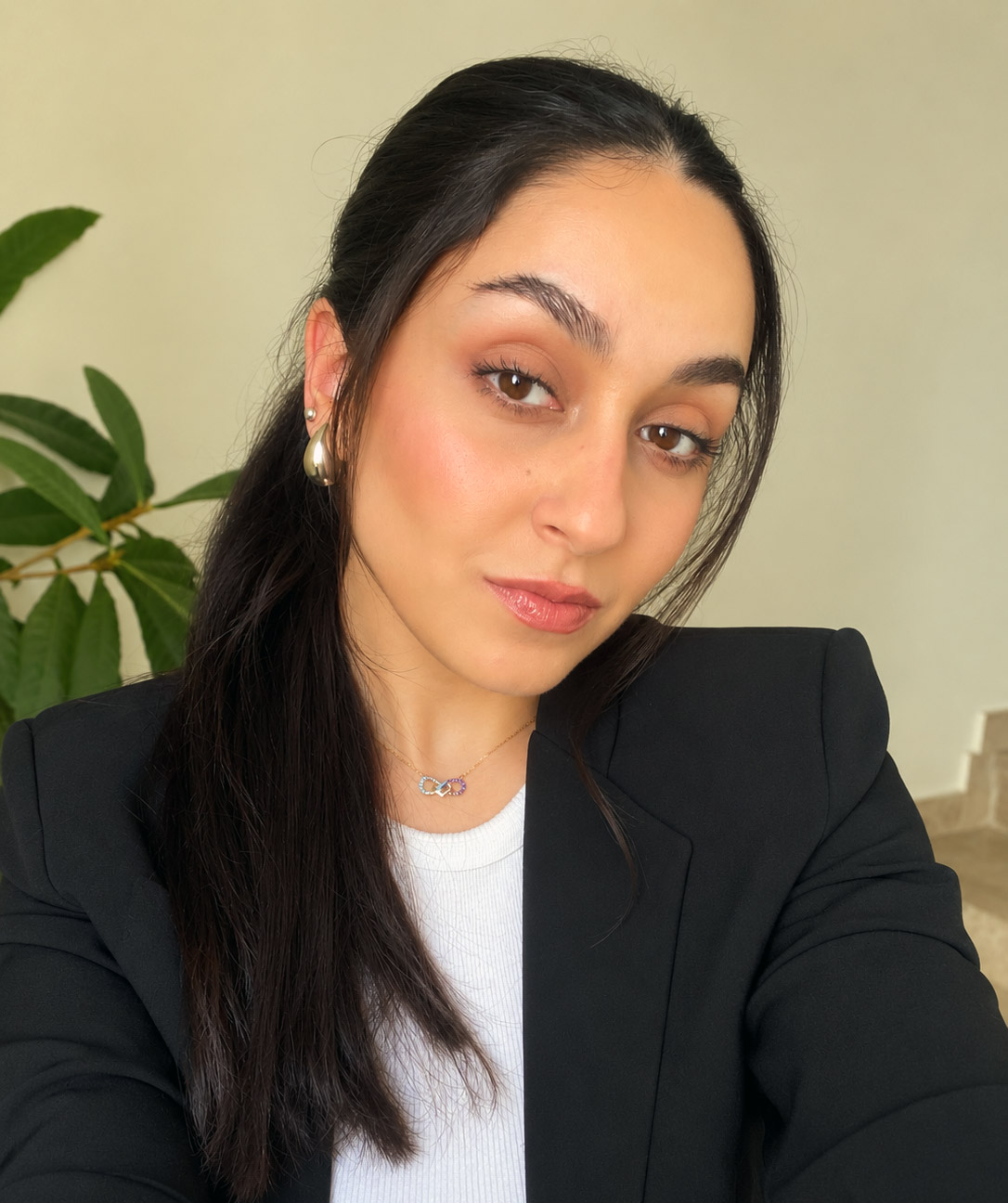
As part of an EURECA-PRO Joint PhD, Rim Khodr is conducting her research between Université de Lorraine and the University of Leoben on the intensification of a CO₂ utilisation process for the production of synthetic fuels and chemicals. A doctoral researcher within the Energy in Transition Flagship, she shares insights into her research topic, the international dimension of her PhD journey and what this collaboration between two EURECA-PRO partner universities brings to her research experience.
Could you tell us about your research topic and explain how it contributes to the priorities of your flagship programme and EURECA-PRO?
My PhD focuses on the intensification of a Power-to-Liquid process for CO₂ utilization. I am studying how membrane separation can be integrated with the reverse water-gas shift reaction (RWGS), where captured CO₂ reacts with renewable hydrogen H2 to produce carbon monoxide CO, an important intermediate for synthetic fuels and chemicals. The project combines CO₂ Capture, RWGS reaction, downstream separation and recycling of unconverted CO₂ back to the reactor.
My objective is to improve overall CO₂ utilization and CO production while limiting hydrogen losses and reducing energy requirements. This work directly contributes to the EURECA-PRO “Energy in Transition” Flagship by addressing carbon management and more efficient use of resources.
You are undertaking your PhD as part of a Joint PhD programme involving several partner universities. How does this international dimension enrich your research experience and your PhD journey?
The international dimension is valuable because the two universities bring complementary expertise. At the University of Lorraine, I benefit from strong knowledge in membrane for gas separation and process design, while Montanuniversität Leoben contributes expertise in RWGS reaction, Power-to-Liquid processes and modelling. This allows me to study the complete process rather than considering reaction and separation independently. Working between the two institutions also exposes me to different scientific approaches and research methodologies.
What moment, encounter or collaboration has made a particular impression on you since you began your PhD?
One aspect that has particularly marked me is the interaction between the membrane-separation and reaction-engineering sides of the project. Through discussions with my supervisors in Lorraine and Leoben, I realized very early that optimizing a single unit is not sufficient. Improving CO₂ conversion in the reactor must be considered together with membrane selectivity, CO recovery, CO₂ recycling, hydrogen losses and the energy demand of the overall process. For me, this is one of the strongest benefits of the Joint PhD collaboration.
