

Science Across Borders:
Jessica Monaldi Reflects on the Lindau Nobel Laureate Meetings and Sustainable Innovation
How can science contribute to a more sustainable future? How do researchers from different disciplines and cultures work together to address global challenges? These were among the questions explored during the 75th Lindau Nobel Laureate Meetings, held from 28 June to 3 July 2026 in Germany.
Every year, the Lindau Nobel Laureate Meetings bring together Nobel Prize winners and outstanding early-career researchers from around the world. This anniversary edition welcomed around 600 young scientists and 70 Nobel Laureates for a week of lectures, panel discussions and informal exchanges centred on interdisciplinary research and some of today’s most pressing societal challenges, including artificial intelligence, global health, science diplomacy and sustainable development.
Among the participants was Jessica Monaldi, a PhD researcher in Physics at Université de Lorraine (Institut Jean Lamour), who joined the French delegation.
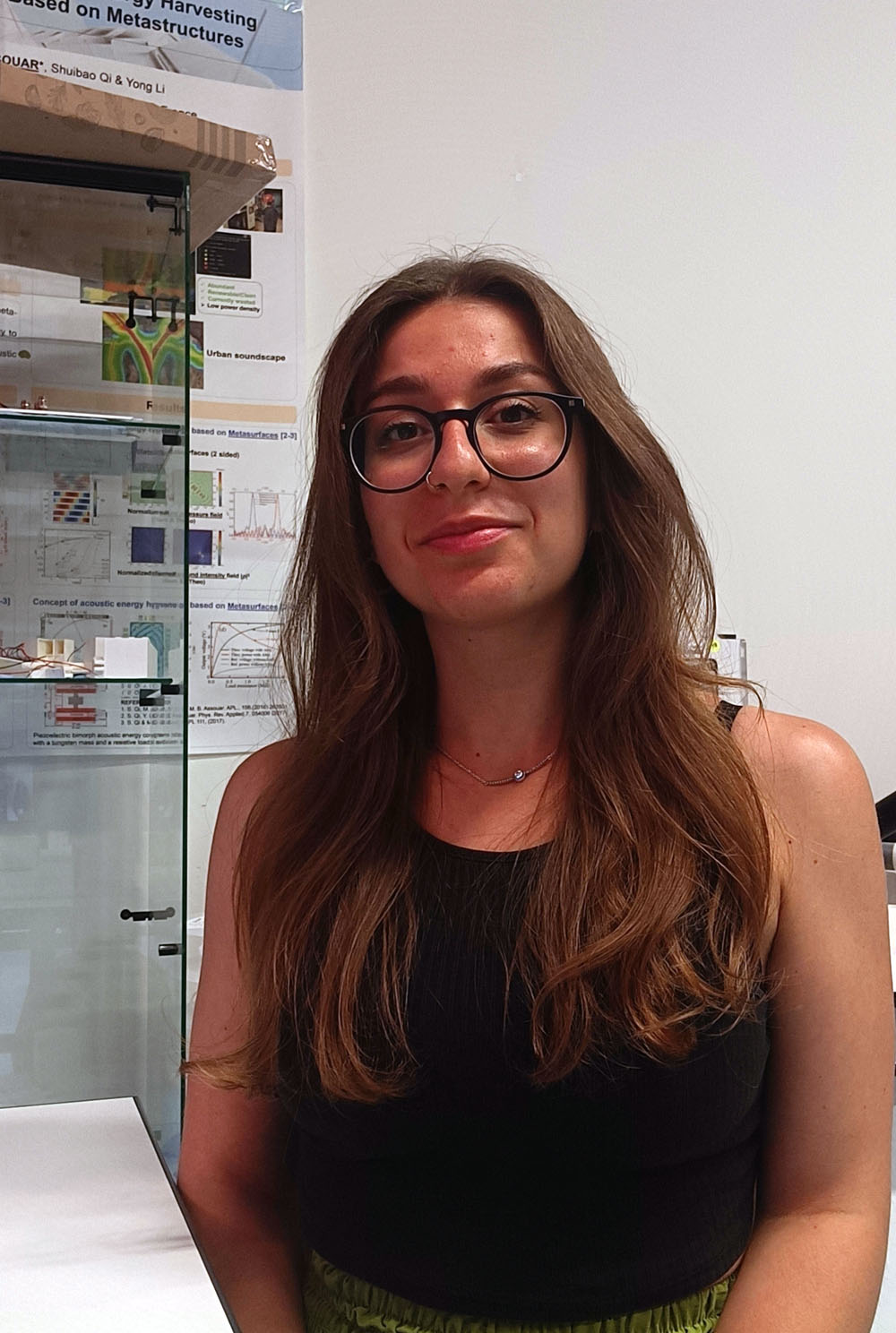
A research project contributing to more sustainable healthcare
Jessica’s doctoral research combines physics, engineering and biology to develop a lab-on-chip biosensor capable of studying the mechanobiology of human cells. The long-term objective is to provide an affordable, easy-to-use platform requiring only very small biological samples for cancer research and diagnosis.
For her, this research naturally connects with the themes discussed throughout the week.
“My research fits particularly well with two of the major themes addressed during the Lindau Meetings: global health and sustainable technologies. It also reflects the interdisciplinary approach that was at the heart of this year’s edition.“
By reducing the amount of biological material, resources and costs needed for diagnostics, such technologies contribute to more responsible healthcare innovation. This ambition echoes Sustainable Development Goal 12 Responsible Consumption and Production, which encourages more efficient use of resources while fostering innovation that benefits society.
These questions were also explored throughout the Lindau programme, where Nobel Laureates and young researchers discussed how science can contribute to building more sustainable societies through responsible innovation and interdisciplinary collaboration.
Beyond scientific excellence: learning from people
For Jessica, however, the greatest lessons were not only scientific.
“Meeting researchers from all over the world strengthened my belief in the importance of international collaboration and diverse scientific environments. Different perspectives inspire new ideas and help us tackle complex challenges together.“
She was also struck by the diversity of experiences shared by fellow participants.
“I realised how fortunate I am to conduct my research in an environment that offers strong scientific support and opportunities. Not everyone has access to the same resources. It reminded me that science is also about creating inclusive environments where everyone can contribute.“
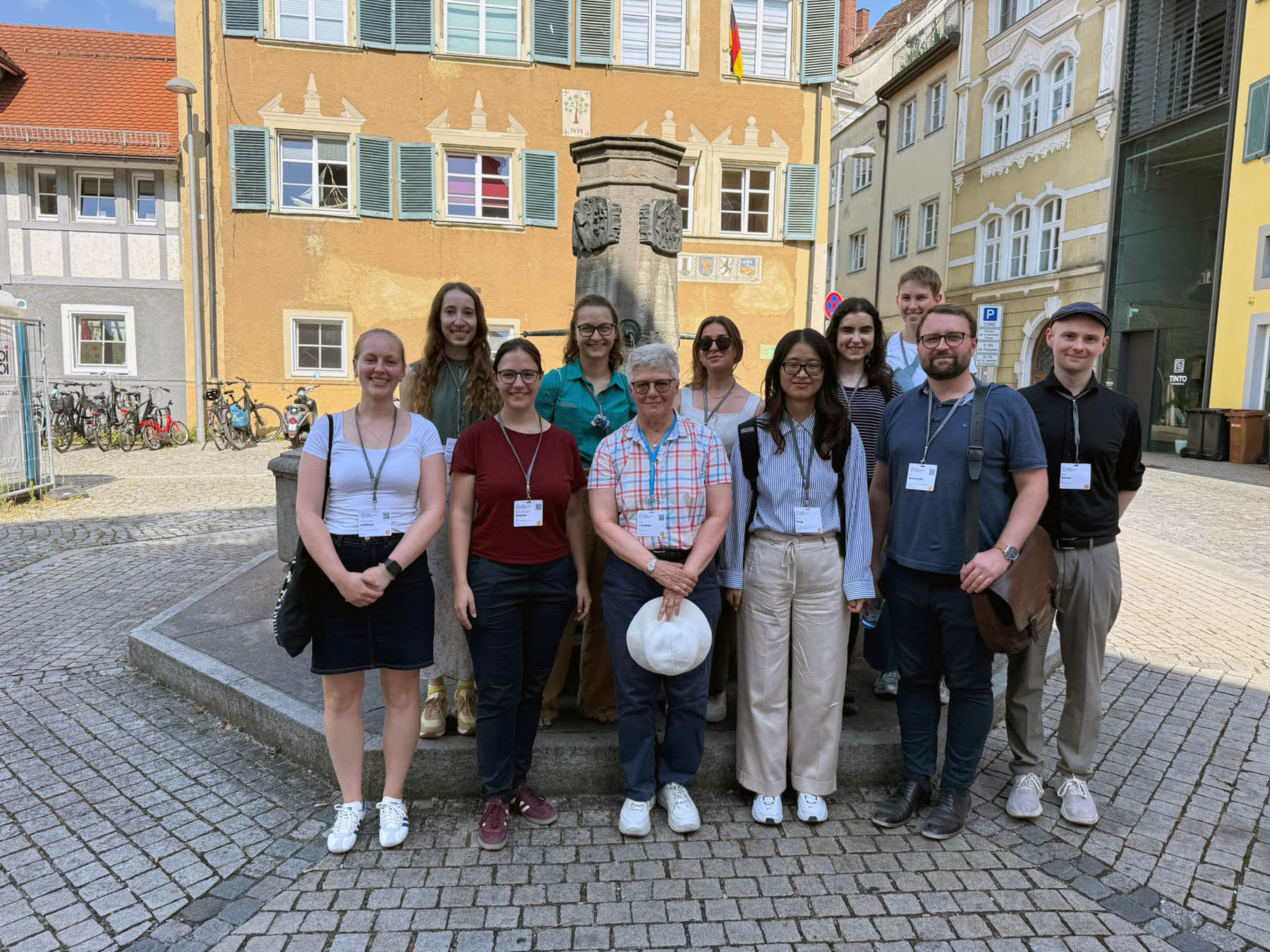
Several Nobel Laureates also spoke about their commitment to science communication and education, stressing the importance of giving back to society.
“We can all apply this idea in our daily lives by creating welcoming environments where everyone feels included. Innovation comes from differences and exchanges, not from staying in our comfort zone.“
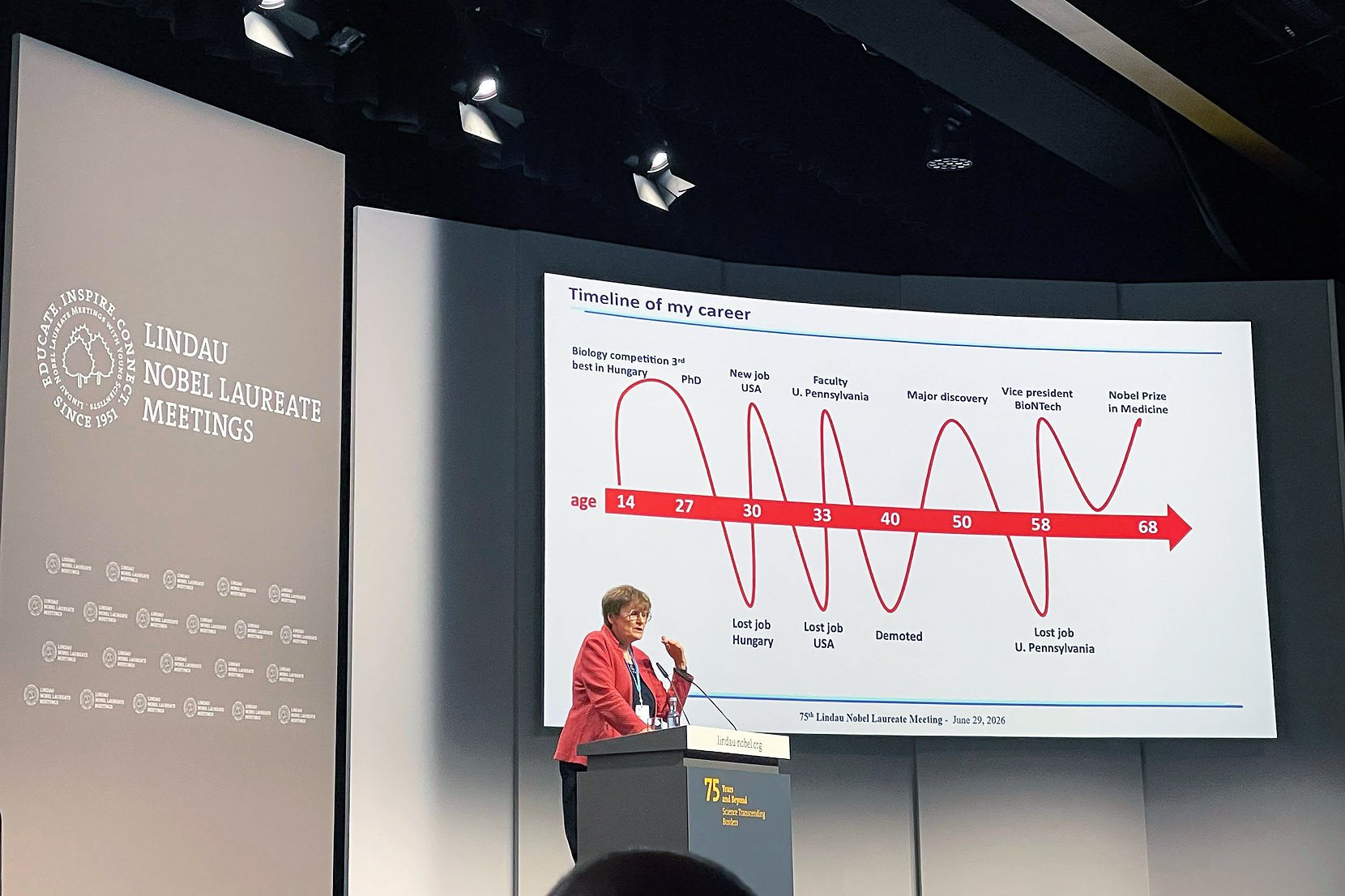
Inspiration from Nobel Laureates
Among the many memorable encounters, two Nobel Laureates particularly inspired Jessica: Anne L’Huillier and Katalin Karikó.
She admired Anne L’Huillier’s determination to build an outstanding scientific career in a field traditionally dominated by men, while Katalin Karikó’s story of perseverance (marked by setbacks before achieving Nobel Prize-winning success) offered a powerful reminder that resilience is an essential quality for researchers.
“Their scientific achievements are remarkable, but what impressed me most was their humanity. They showed that perseverance, openness and kindness are just as important as scientific excellence.“
Looking back on the experience, Jessica has one message for other young researchers across the EURECA-PRO Alliance:
“Apply for the Lindau Nobel Laureate Meetings! It really is possible, and it may become one of the most inspiring weeks of your scientific career.“
