

Advancing Bioeconomy Research through EURECA-PRO: Reflections on a Mobility Experience in Crete
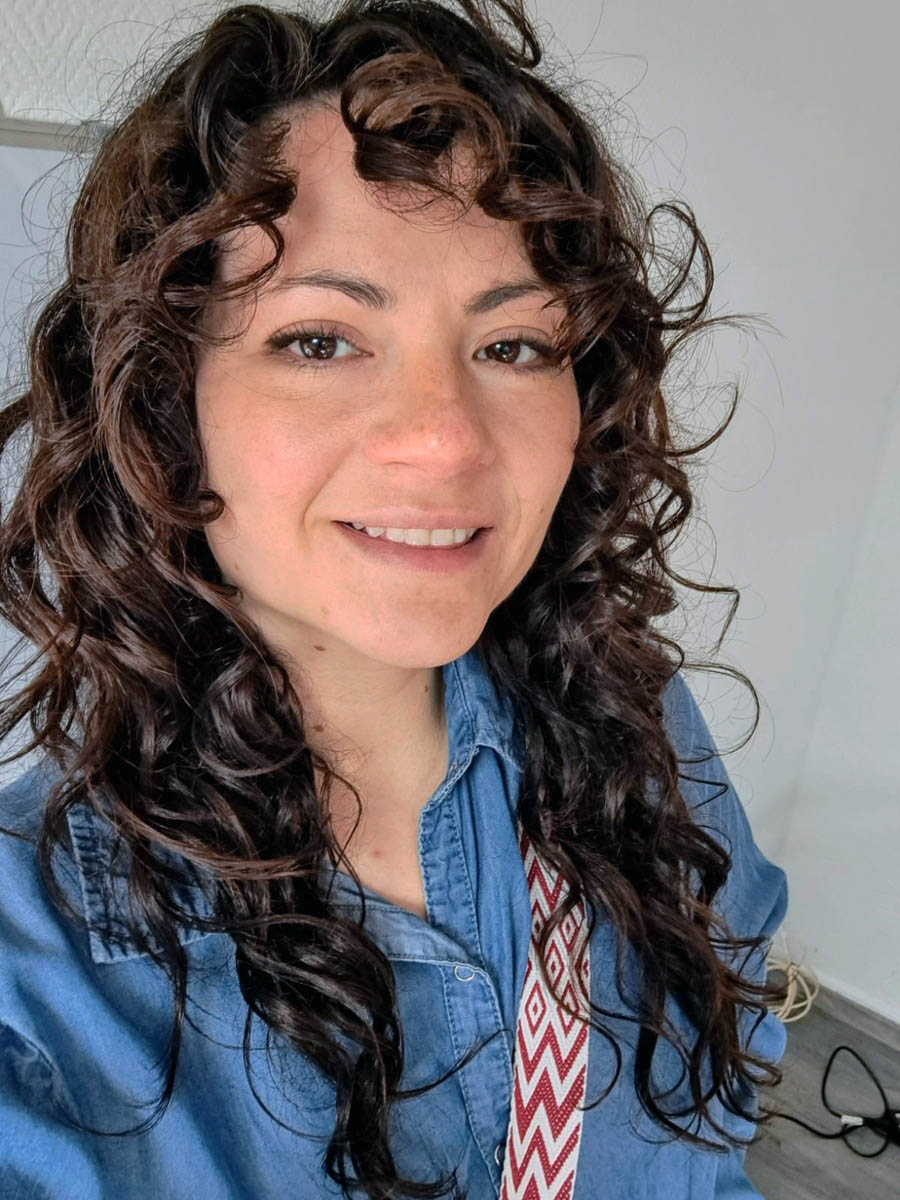
The European alliance EURECA-PRO enables doctoral students at the Université de Lorraine to present their research in international scientific environments and to develop their academic networks around the major challenges of the ecological transition. In this testimonial, Lorena Espinoza Pérez, a PhD candidate conducting a research stay at the Université de Lorraine, reflects on her participation in the 4th International Conference on Responsible Consumption and Production, organised by the Technical University of Crete.
The experience enriched her thinking on the bioeconomy, strengthened her research work, and reinforced the European dimension of her doctoral journey.
What motivated you to choose a mobility within the EURECA-PRO alliance, and why this partner in particular?
My participation in the 4th International Conference on Responsible Consumption and Production, organized within the EURECA-PRO alliance, is directly aligned with my doctoral research on sustainable biomass valorization and territorial approaches to the bioeconomy. The conference topics, particularly those related to circular economy, clean energy transition, and sustainable resource management, closely match my research focus.
This opportunity was proposed by my academic supervisors, who identified the conference as a relevant platform to present my work in an international and interdisciplinary context. I was also particularly interested in the host institution, the Technical University of Crete, due to its recognized expertise in sustainability and engineering.
In addition, my current research stay at the Université de Lorraine has facilitated my participation in this international academic environment and strengthened the European dimension of my doctoral research.
How did your mobility enrich your teaching, research, or professional practice?
This mobility enriched my research by exposing me to a wide range of perspectives on sustainability transitions. In particular, I gained a deeper understanding of how well-established technologies, such as anaerobic digestion, can be integrated into territorially embedded approaches that generate value at the community level, going beyond purely technical performance.
Presenting my research at the conference allowed me to receive constructive feedback from an international academic audience, which helped refine both the conceptual positioning and methodological rigor of my work. Furthermore, the study presented at the conference has since been accepted for publication in its extended version in Biomass and Bioenergy.
More broadly, this experience strengthened my ability to position my research within interdisciplinary debates, integrating technological, social, and governance dimensions into the analysis of sustainable systems.
What ideas, methods, or good practices did you bring back, and what future collaboration opportunities do you see emerging from this mobility?
This mobility allowed me to bring back new ideas, as well as renewed motivation and a broader perspective on the role of research in supporting sustainability transitions. One of the main takeaways was the importance of linking technological solutions with territorial contexts, ensuring that innovations such as biomass valorization effectively contribute to local development and territorial resilience.
From a methodological perspective, I was exposed to integrated approaches combining technological performance with environmental and social considerations. These perspectives will directly inform the continuation of my doctoral research, particularly in the development of territorial and regenerative analytical frameworks.
Although no formal collaborations have emerged at this stage, the experience has opened potential avenues for future academic exchanges. Overall, this mobility contributed to consolidating my research direction and reaffirmed the importance of interdisciplinary and place-based approaches in addressing sustainability challenges.
