New Microalgal Species Discovered by EURECA-PRO Researchers and 111 High School Students
- News
An international research team led by the Universidad de León, Montanuniversität Leoben, and Université de Lorraine has identified a previously unknown microalgal species. The new organism has been named Craticula Scientiacivica, a name chosen to recognise the collaborative effort between professional researchers and 111 participating high school students.
LEÓN, SPAIN – It is not every day that science gets to rewrite the map of life on Earth, but a team of European researchers—alongside more than 100 teenage citizen scientists—has done just that. A study published in the international peer-reviewed journal PhytoKeys has revealed the existence of Craticula Scientiacivica, a previously unknown species of microscopic algae uncovered through a cross-border research effort led by Universidad de León (ULE).
The breakthrough emerged from a collaborative project within the EURECA-PRO Alliance (The European University on Responsible Consumption and Production), supported by Spain’s Ministry of Science, Innovation and Universities.
What began as an investigation into how “eco-friendly” biodegradable packaging behaves in freshwater ecosystems soon took an unexpected turn. While studying aquatic environments, a research team led by Jennifer Moyón-Dávila, alongside scientists María Borrego-Ramos and Adriana Olenici, identified a diatom species that had never before been documented by science.
The project, known as CiDIA-micro, was coordinated by Principal Investigator Ángela Taboada and conducted at ULE’s Diatomology Laboratory, directed by Professor Saúl Blanco at the university’s Institute for the Environment and Global Change (IMACG).
The Power of Citizen Science: When Research Meets the Classroom
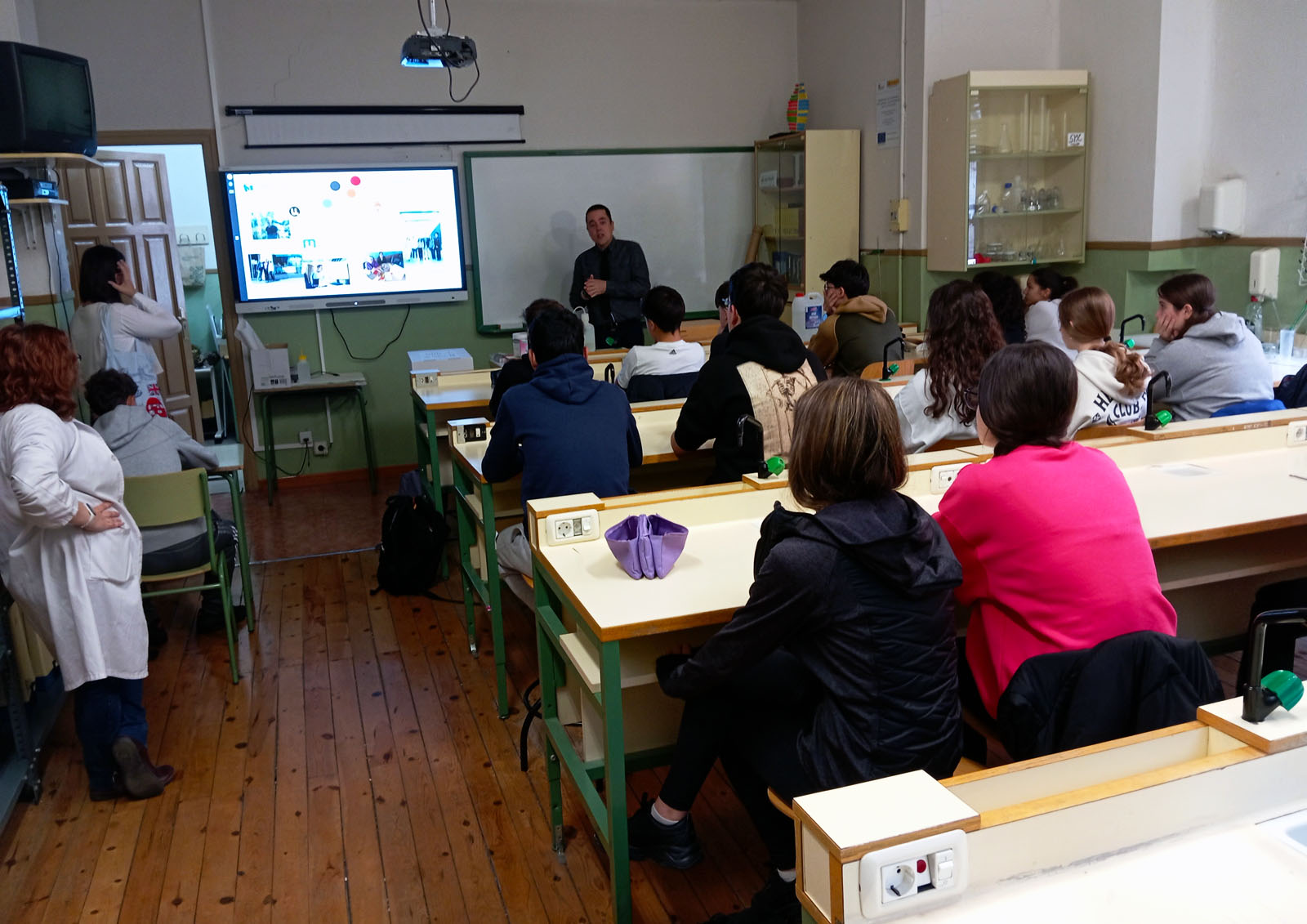
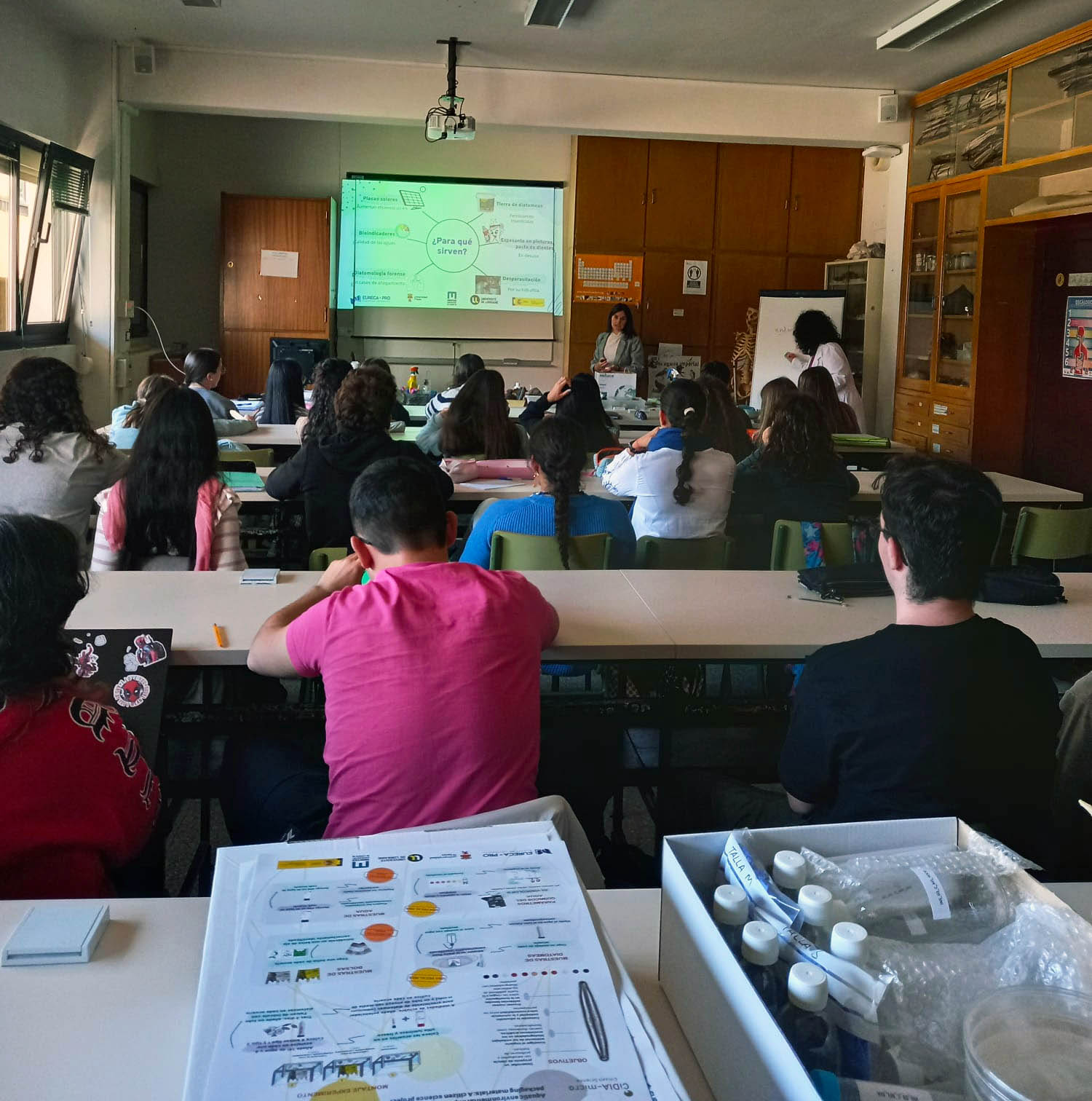
One of the most distinctive aspects of the project was the role played by local students. Rather than observing from the sidelines, 111 secondary school students and seven teachers from six schools across the Province of León became active participants in the research.
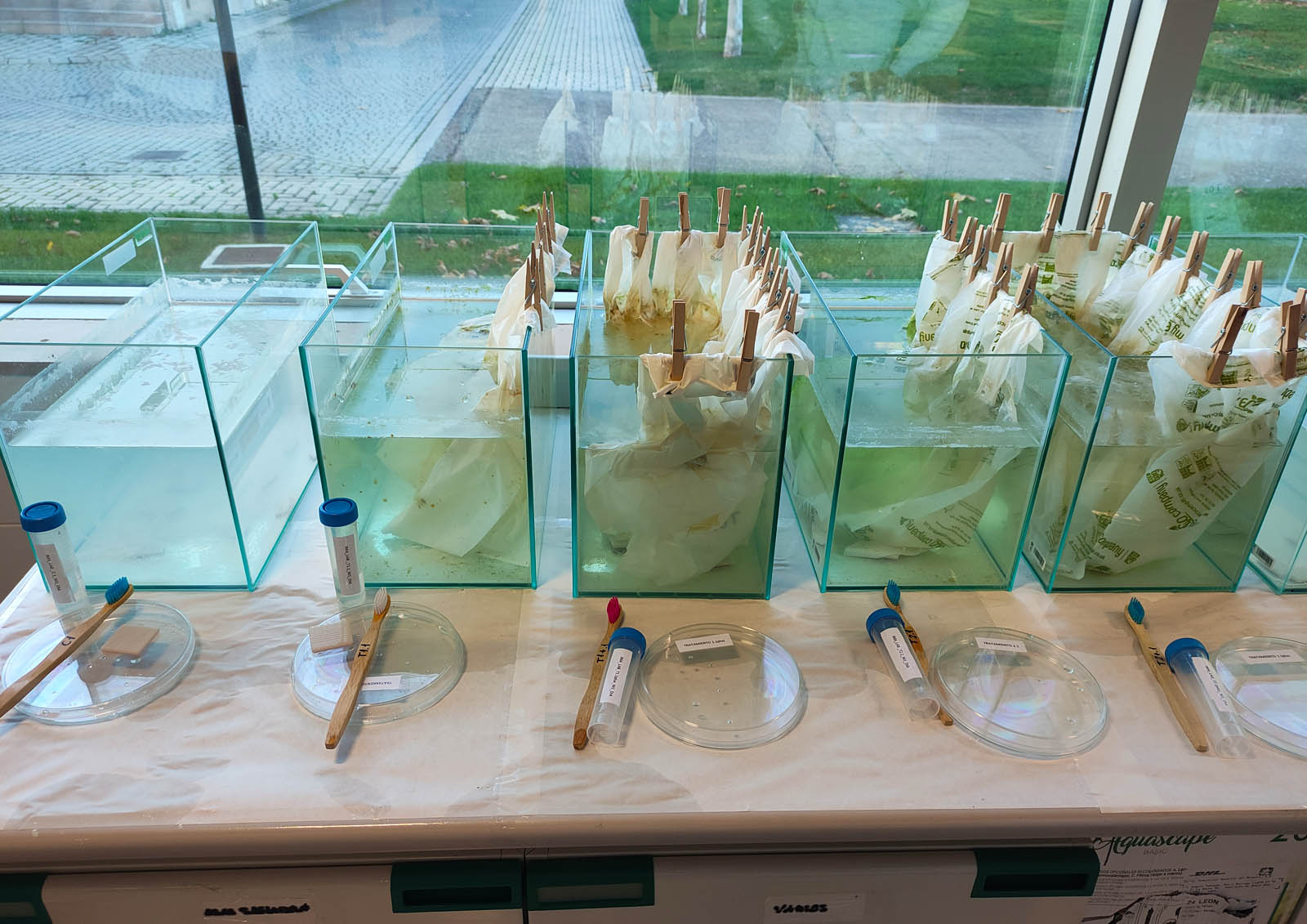
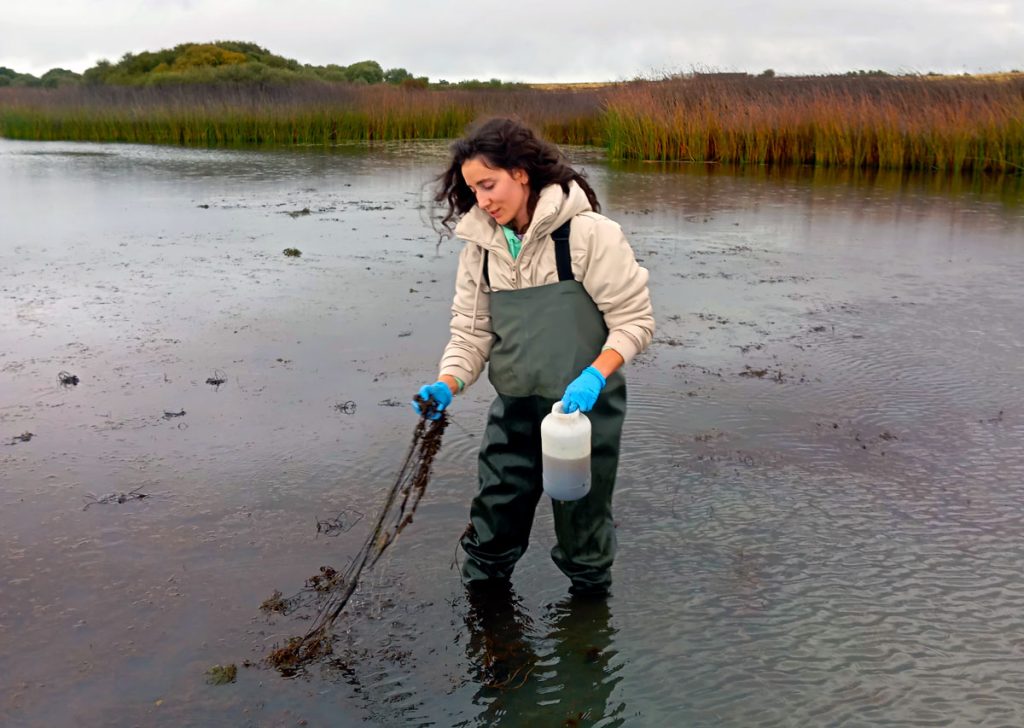
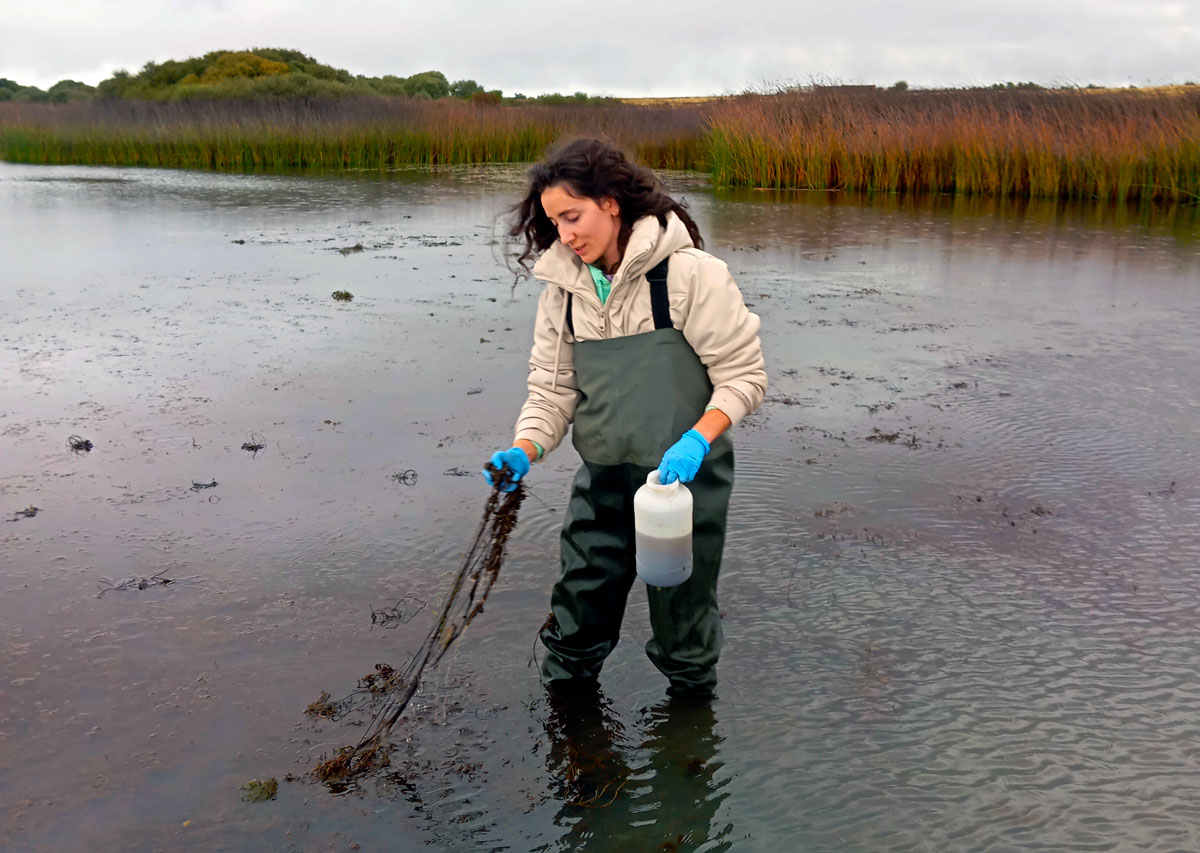
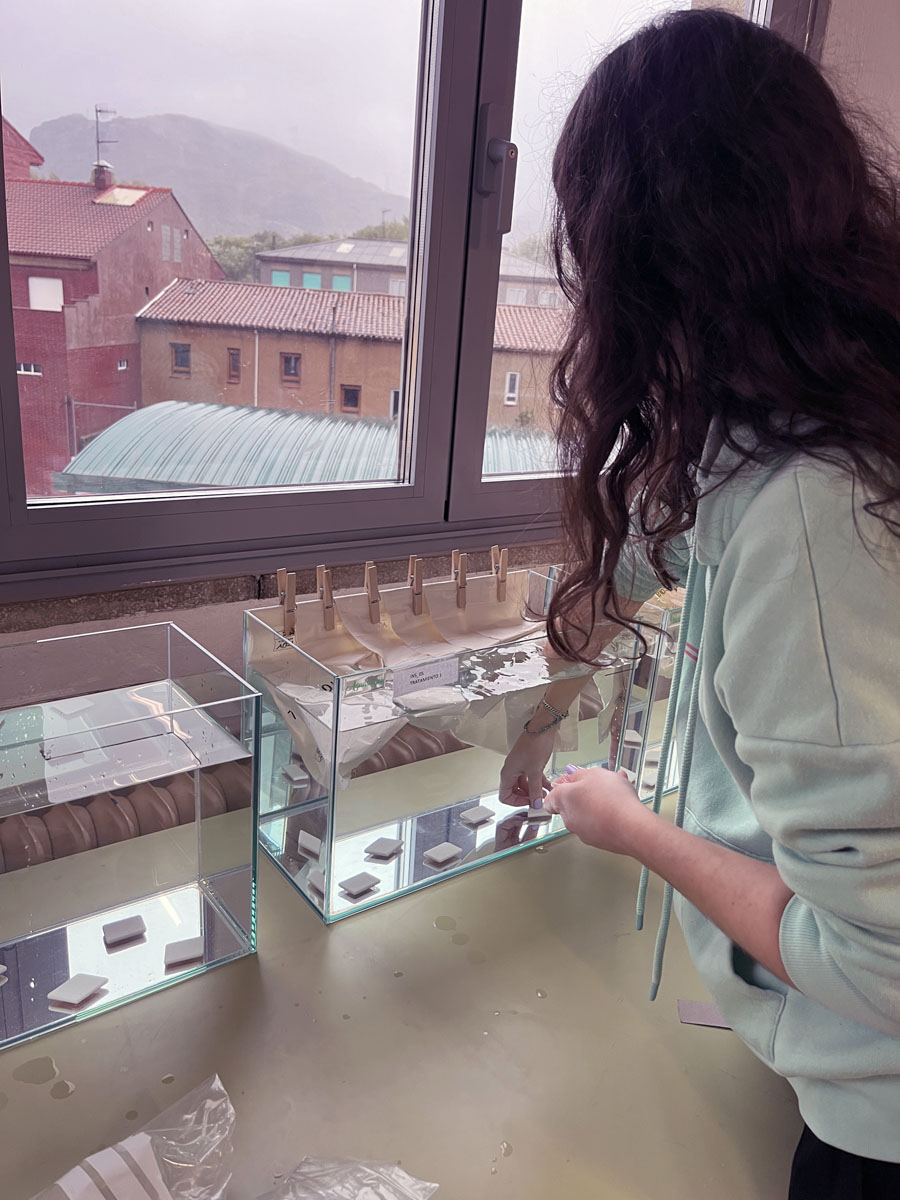
They helped construct experimental aquaria, gathered field data, and tracked how natural algae communities from Sentiz Lake in Valdepolo responded to different biodegradable materials. Their contribution was ultimately immortalised in the species’ name: Craticula Scientiacivica, a nod to the citizen-science initiative that helped bring the discovery to light.
A European Spanish-Austrian-French Success Story
The discovery also highlights the value of international scientific cooperation. Supported by a 2024 Microprojects grant from the EURECA-PRO European University Alliance, the Universidad de León joined forces with Montanuniversität Leoben in Austria, specialists in polymer science, and France’s Université de Lorraine, whose researchers focus on stress ecology.
Together, the partners examined the lifecycle of bioplastics from both engineering and biological perspectives. In the course of that research, they encountered a species that had never before been described by science.
None of this would have been possible without the substantial support of Spain’s Ministry of Science, Innovation, and Universities, underscoring the importance of investing in public higher education within the European Research Area (ERA).
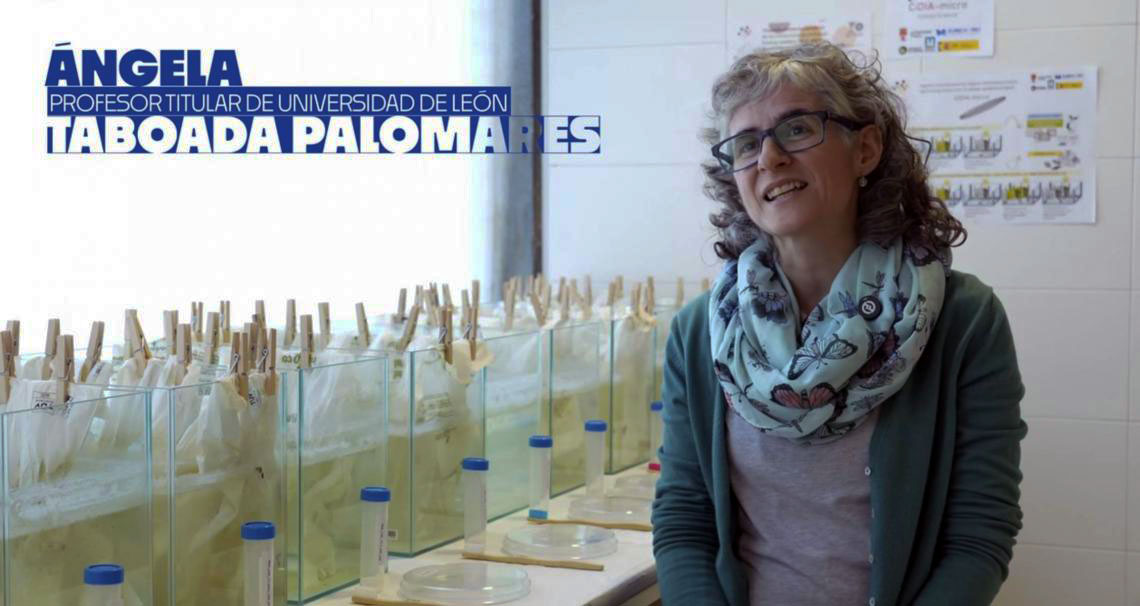
“This isn’t just about finding a new microscopic organism; it’s about how we found it,” said Ángela Taboada, Project Coordinator. “Thanks to the support of the Spanish Ministry of Science, Innovation, and Universities and the EURECA-PRO network, we connected top-tier minds from Spain, Austria, and France. But bringing over a hundred high schoolers into the lab to help make a literal textbook discovery? That is how you inspire the next generation of European scientists.”
The discovery of Craticula scientiacivica opens exciting new doors for environmental conservation and green transition, serving as a powerful reminder that there is still a whole world left to discover — sometimes right in our own backyard lagoons.