

Science Ethics Ep. 1 - Pressure, Metrics and Misconduct in Science
Host: Mittweida University of Applied Sciences
- Scientific Conversations, Student Sessions
- English
What if your academic career depended less on what you discover and more on how often you publish? In this first episode of the special edition of Committed to Planet A, we dive into the logic of “publish or perish”. A system in which publication numbers, citation counts and metrics like the h-index often determine jobs, funding and reputation. We explore how this pressure shapes everyday life in academia, especially for early-career researchers, and how performance indicators can influence research topics, priorities and even behaviour. From salami slicing and ghost authorship to paper mills and predatory journals, we discuss where strategic adaptation ends and scientific misconduct begins. At the same time, we look at possible alternatives: more differentiated contribution models like the CRediT taxonomy, stronger research integrity guidelines and a broader understanding of what makes a “good” scientist.
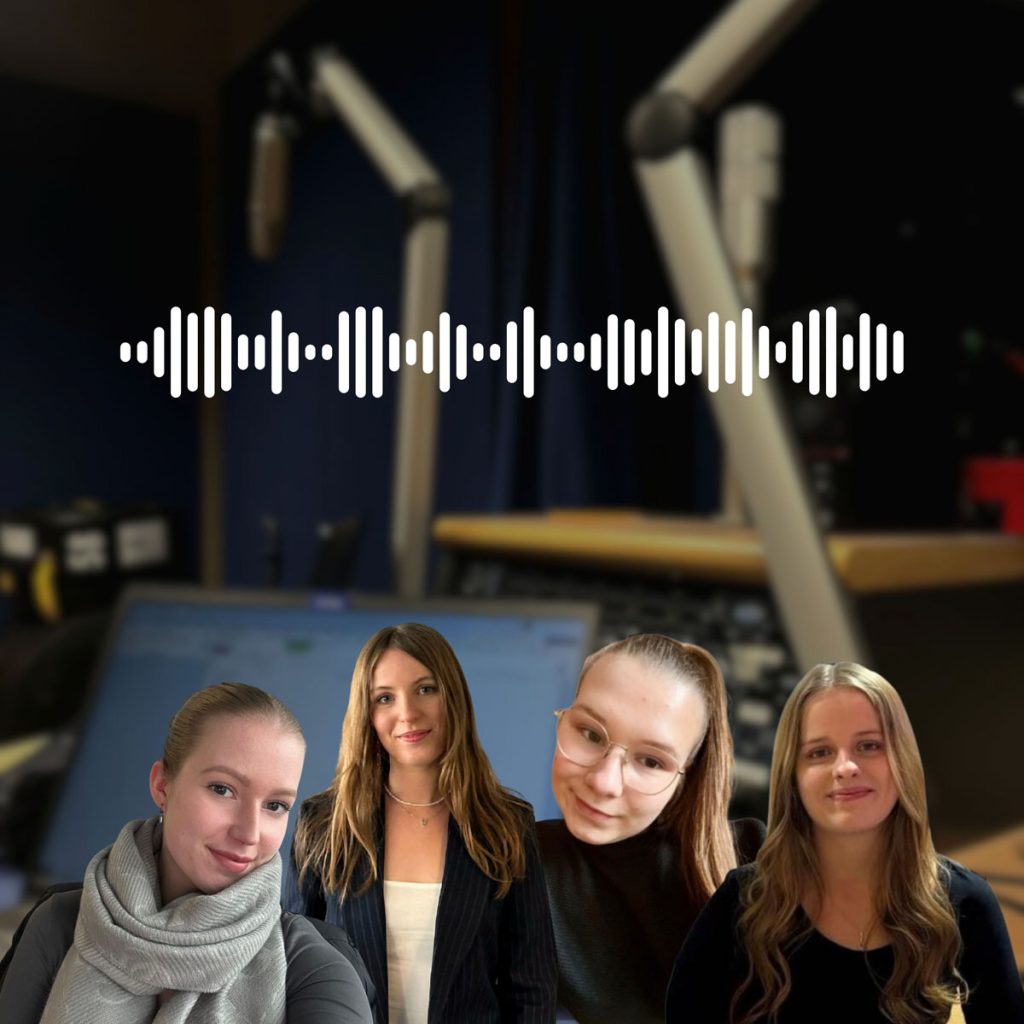
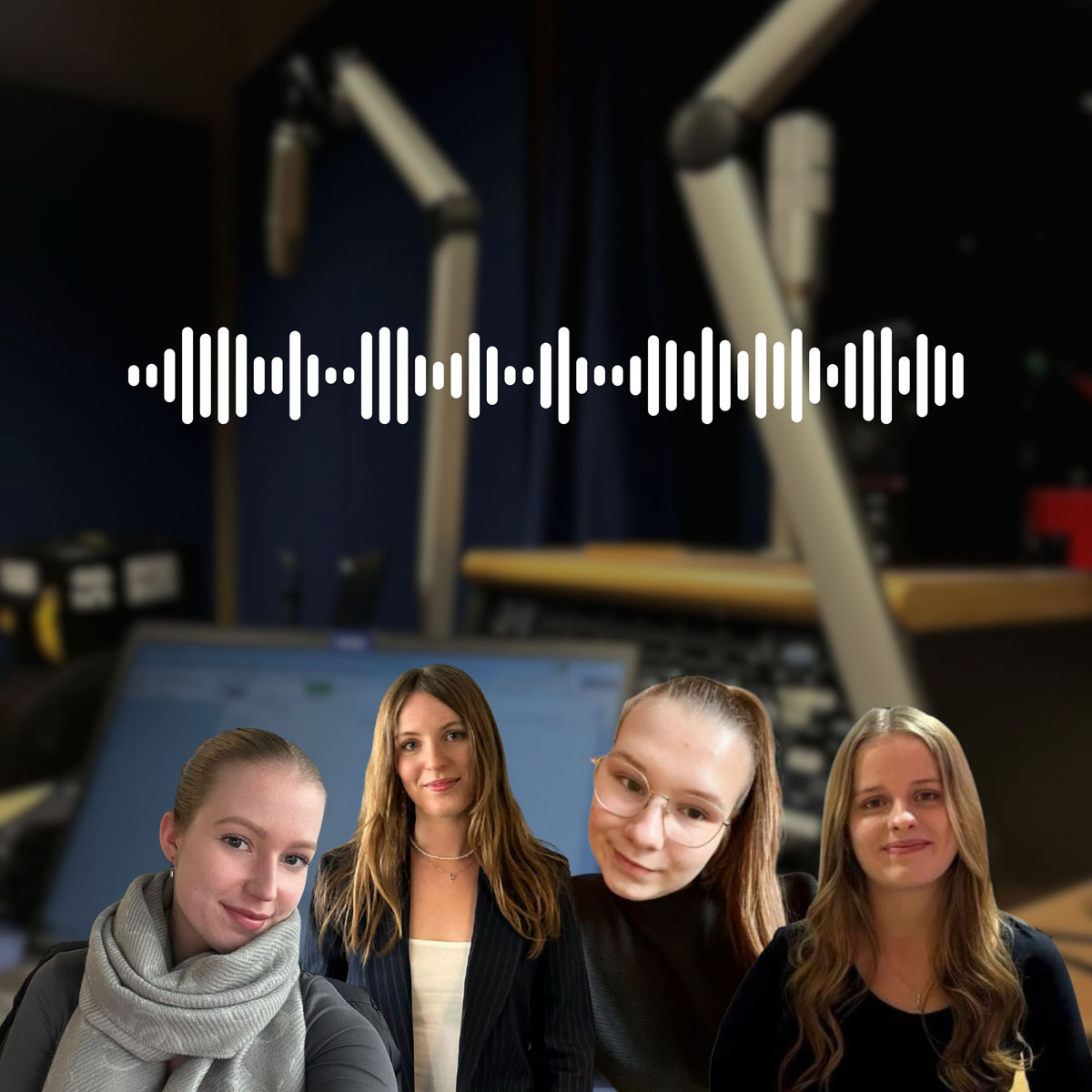
The podcast was produced by the students Zoe-Alexandra Helena Dietz, Alexa Doerfel, Vanessa Claus and Florentine Wiegand, who participated in the course Science Ethics and Research Integrity during winter semester 2025/2026. The episode is one out of four of the special edition “Science Ethics”.
Enjoy listening:
Sources:
- Adams, J., Pendlebury, D., Potter, R., & Szomszor, M. (2020). Multi-authorship and research analytics.
- ALLEA | All European Academies (2023). The European Code of Conduct for Research Integrity – Revised Edition 2023. Berlin.
- Allen, L. et al. (2019). How can we ensure visibility and diversity in research contributions?
- How the Contributor Role Taxonomy (CRediT) is helping the shift from authorship to contributorship.
- Aronson, J. K. (2025). When I use a word . . . “Publish or perish”: origins and a definition. Available at: www.bmj.com/content/bmj/390/bmj.r1456.full.pdf
- Beaufils P, Karlsson J. (2013). Legitimate division of large datasets, salami slicing and dual publication. Where does a fraud begin? Orthop Traumatol Surg Res, 99, 121-2
- Drozdz, J. A., & Ladomery, M. R. (2024). The Peer Review Process: Past, Present, and Future. British Journal of Biomedical Science, 81, 12054. https://doi.org/10.3389/bjbs.2024.12054
- Hanitzsch, T., Markiewitz, A., & Bødker, H. (2024). Publish and perish: Mental health among communication and media scholars. Journal of Communication, 74(6), 429–442. https://doi.org/10.1093/joc/jqae012
- Karaulova, M., Nedeva, M., & Thomas, D. A. (2020). Mapping research fields using co-nomination: The case of hyper-authorship heavy flavour physics. Scientometrics, 124(3), 2229–2249. https://doi.org/10.1007/s11192-020-03538-x
- Lee, I. (2014). Publish or perish: The myth and reality of academic publishing. Language Teaching, 47(2), 250–261. https://doi.org/10.1017/S0261444811000504
- Nydahl, Peter et al (2025): Wissenschaftsbetrug und zweifelhafte Publikationspraktiken. (o.O.).
- Rawat, S., & Meena, S. (2014). Publish or perish: Where are we heading? Journal of Research in Medical Sciences, 19(2), 87–89.
- Sheldrake, R., Reiss, M. J., & Lodge, W. (2025). What do you think being a good scientist involves? School students’ views about science, scientific research, and being scientists. International Journal of Science Education, 47(17), 2352–2370. https://doi.org/10.1080/09500693.2024.2385759
- Sumpter, J. P. (2019). What makes a good scientist? Karl Fent as an example. Journal of Hazardous Materials, 376, 233–238. https://doi.org/10.1016/j.jhazmat.2019.05.016
- Vasconez-Gonzalez, J. (2024). Integrity at stake: confronting ‘publish or perish’ in the scientific enterprise. Available at: https://www.frontiersin.org/journals/medicine/articles/10.3389/fmed.2024.1405424/full
Committed to Planet A, the EURECA-PRO Podcast series features inspiring interviews, conversations and presentations involving leading professors, researchers, students and administrative staff of the European University on Responsible Consumption and Production – EURECA-PRO.
The main purpose of the EURECA-PRO Podcast Series is to bring to the foreground innovative research approaches, inspiring ideas and experiences from different members and associated participants of the EURECA-PRO community and share them with the extended academic communities of the alliance’s partner institutions. The wider scope is to inform students and staff about innovative thinking and research, student experiences, as well as best practices and opportunities on RCP with reference to EURECA-PRO’s ongoing programme of events and activities.
