Fast Fashion, long-lasting waste?
More than 40 pupils aged between 13 and 16 from Greece, Poland and Germany volunteered to dive into the world of sustainability, exploring environmental issues and derive sustainable actions for their everyday lives. For a total of six months, they will discuss and work on possibilities of reducing food waste, textile waste and creative ways of upcycling within their local communities.
Meet the Young Eco Heroes team in Greece
The Greek team from the 1st Experimental Junior High School of Chania, in collaboration with the Technical University of Crete, is working on the topic “Sustainable Textiles – Reducing Fashion Waste”.
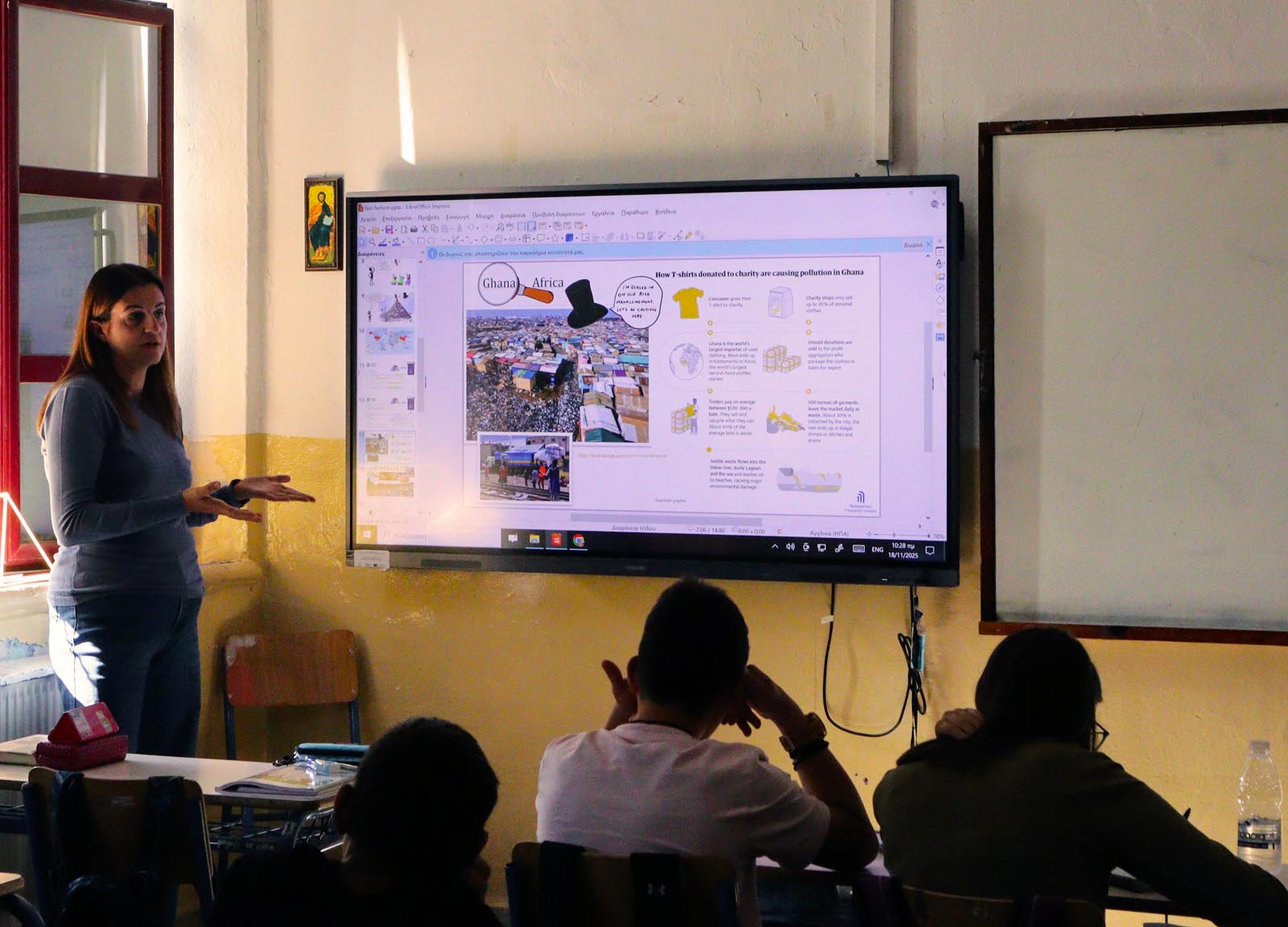
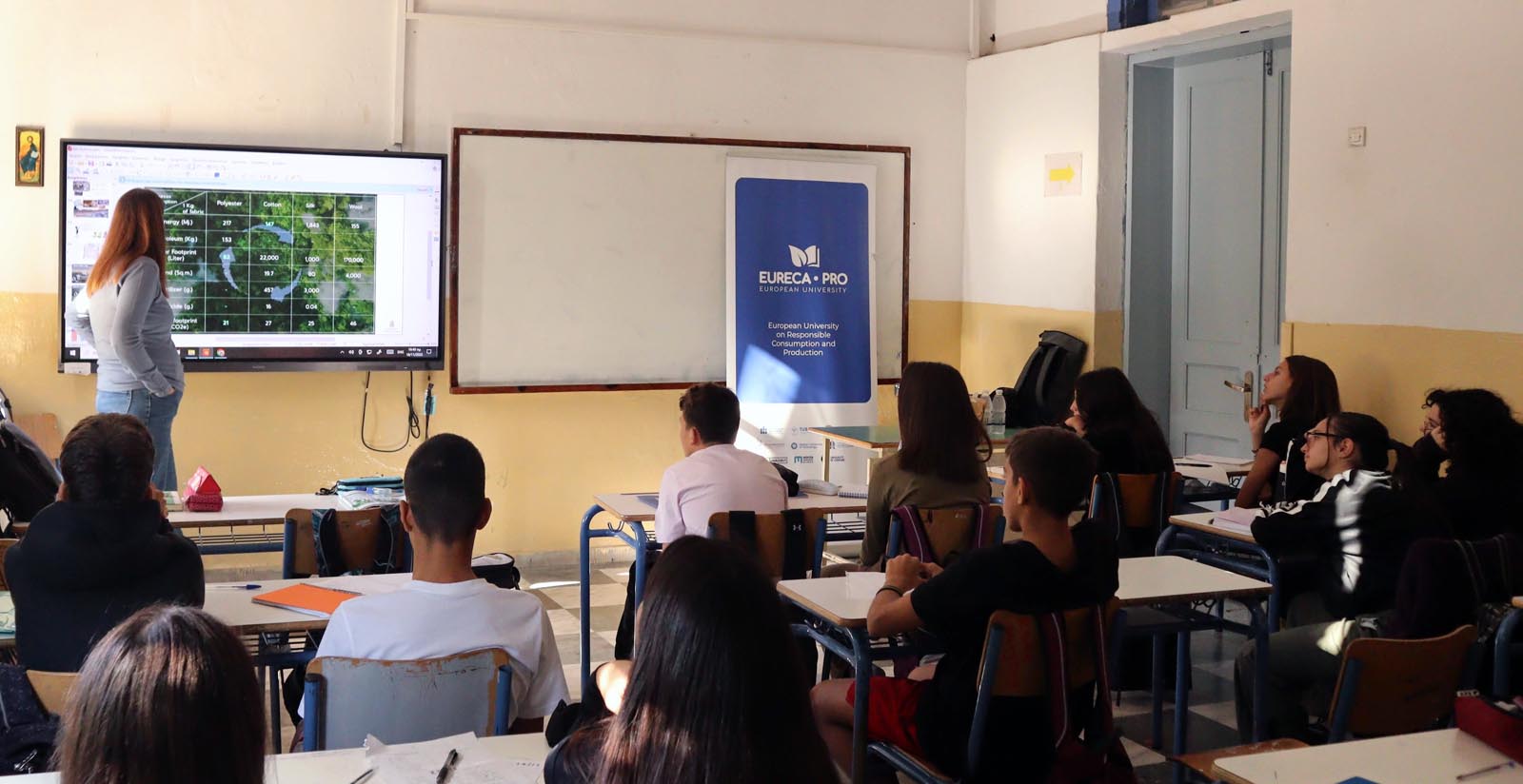
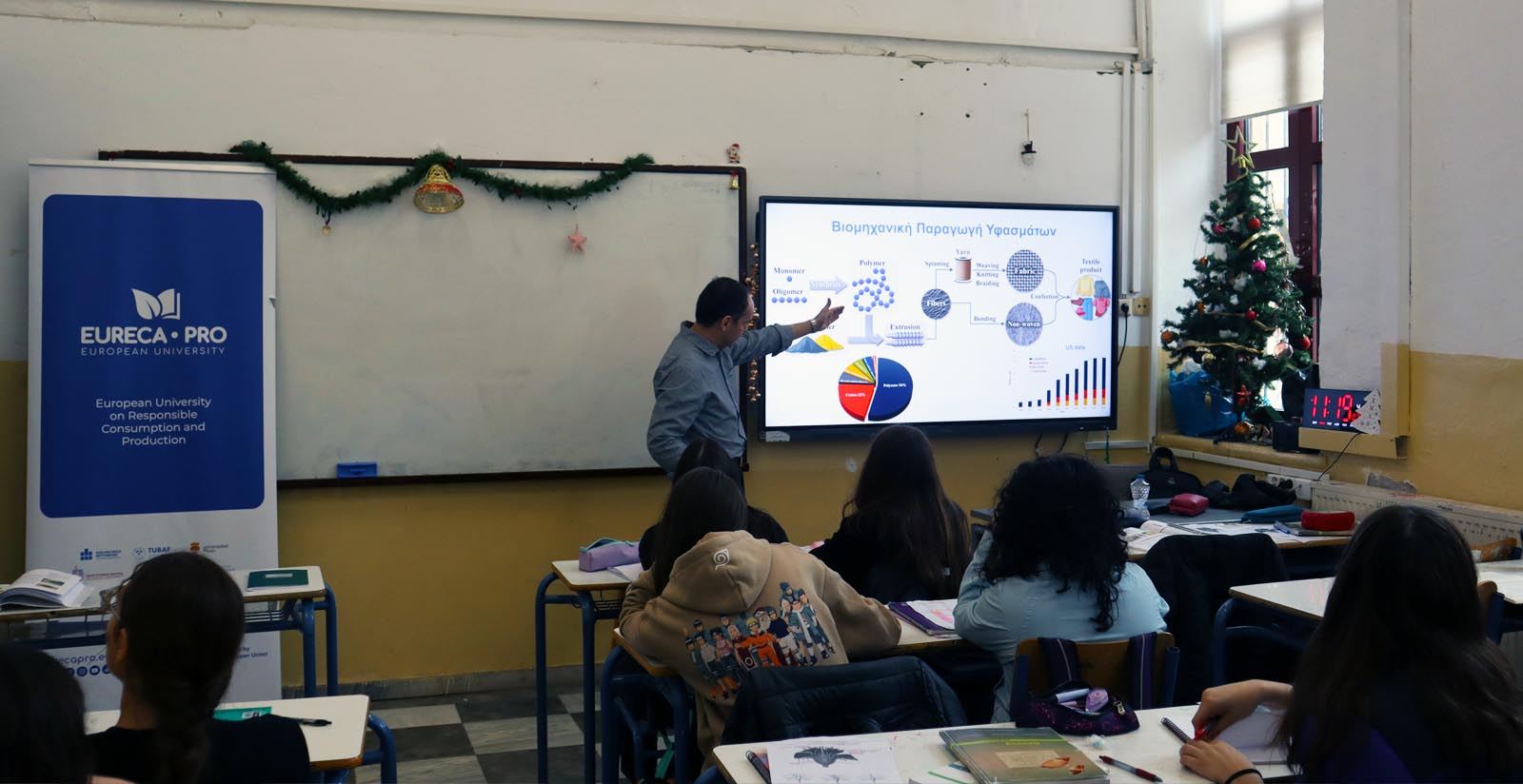
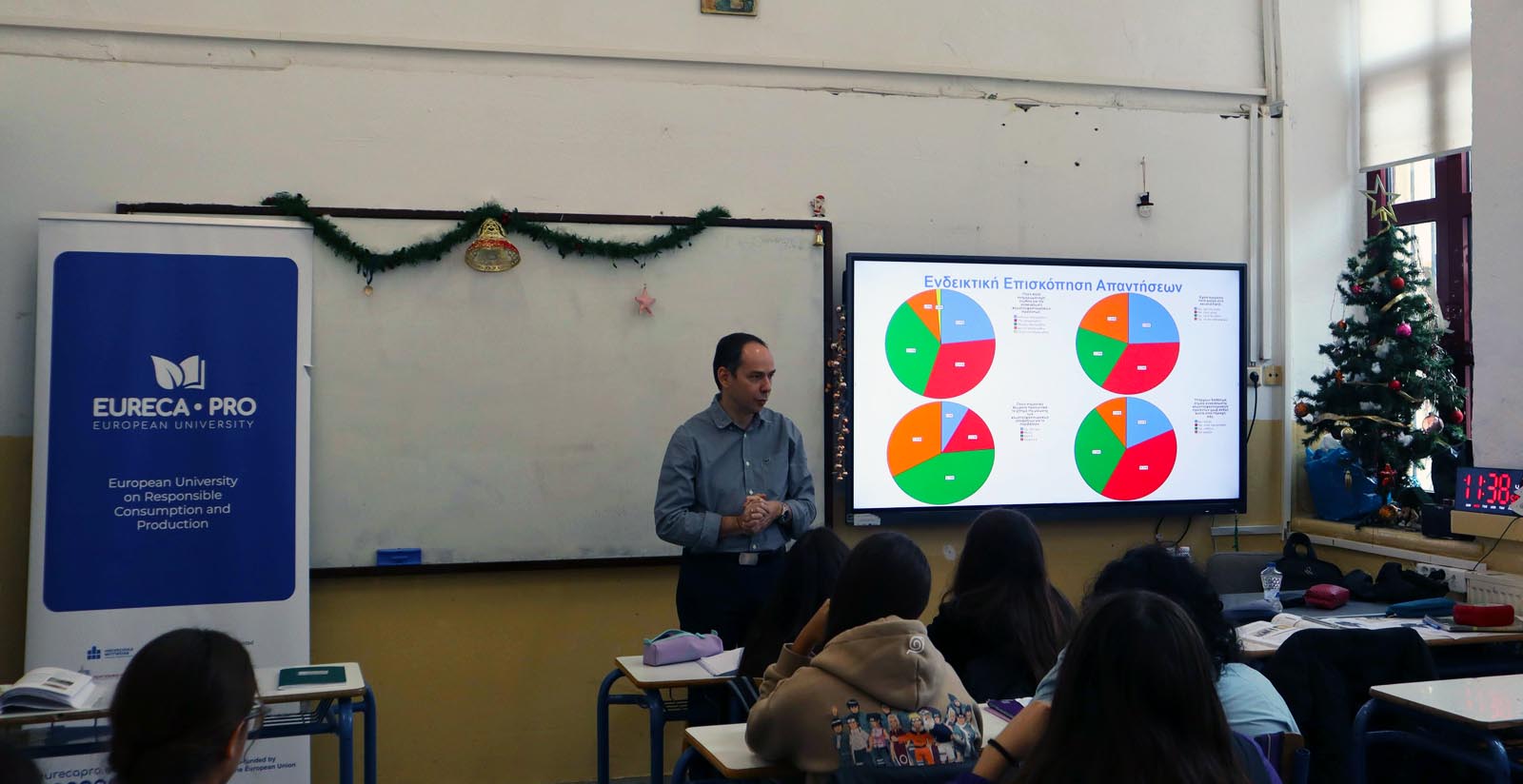
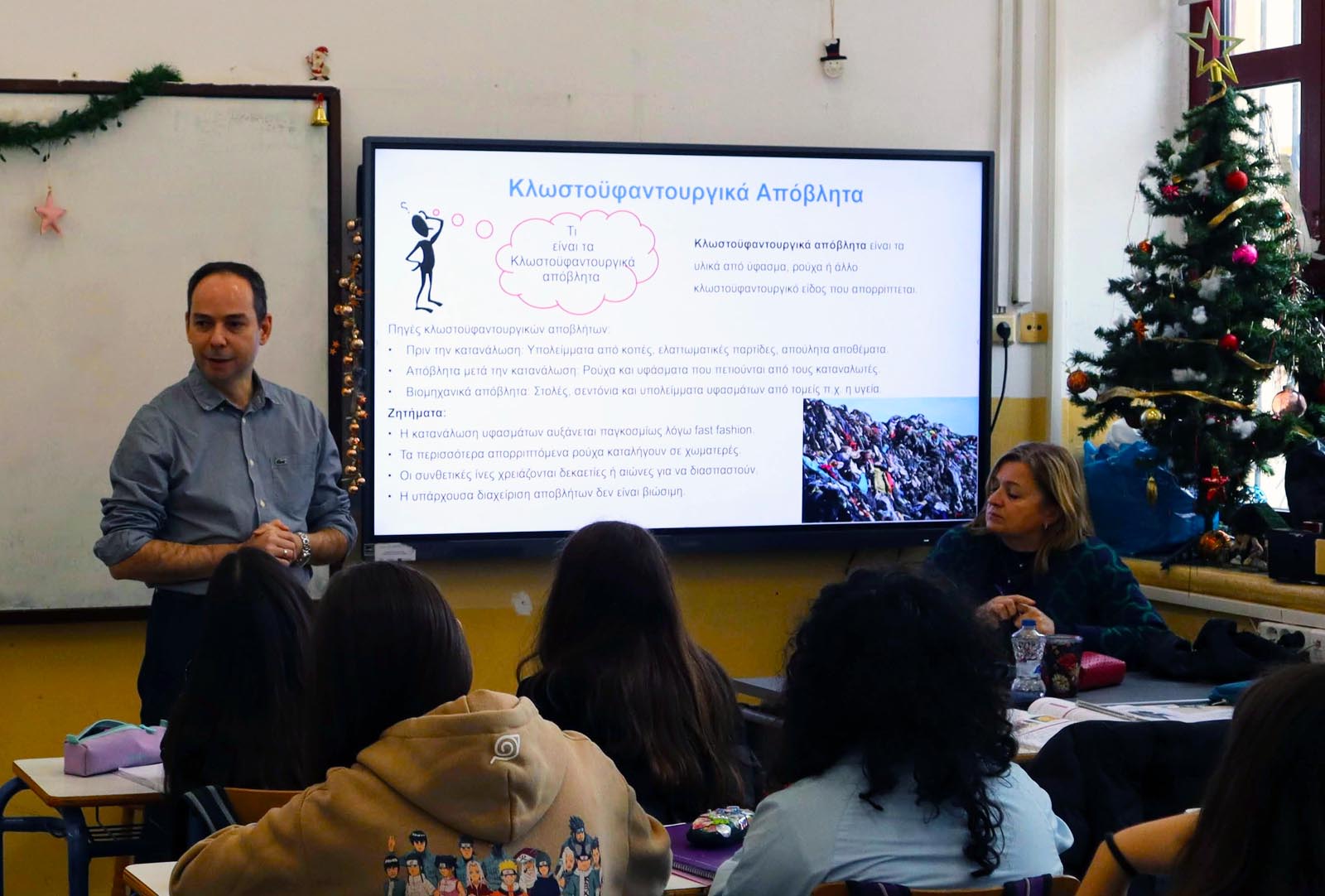
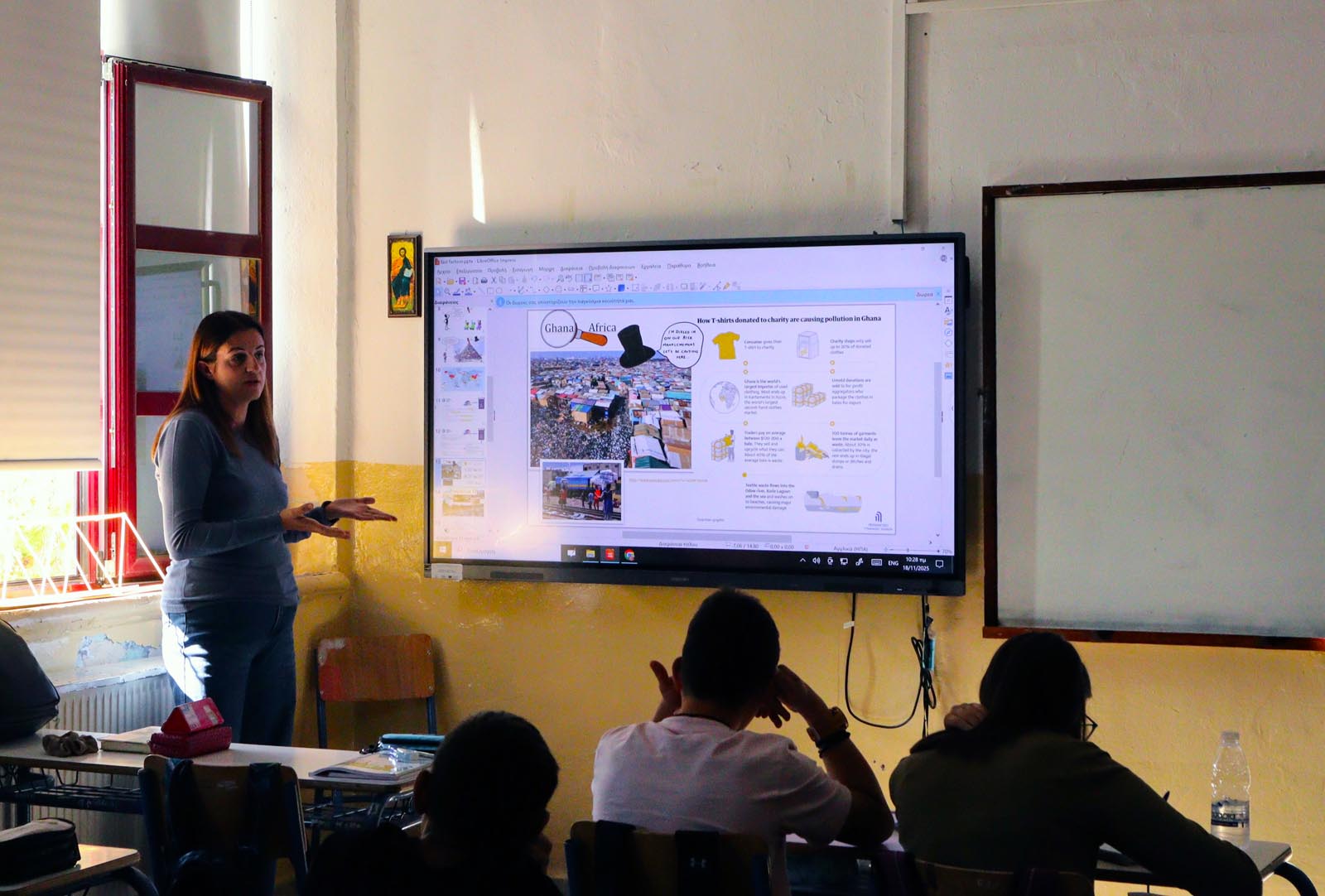
The pupils are exploring the environmental and social impact of fast fashion. Through a series of lectures by researchers and university staff, they have been deepening their understanding of:
- how and where clothes are produced,
- what happens to textiles at the end of their life cycle, and
- how our consumer choices affect people and the planet.
This current learning phase will equip them to conduct their own projects in the coming months.
Gaining insights from experts
Why is it important for students to learn about sustainable textiles?
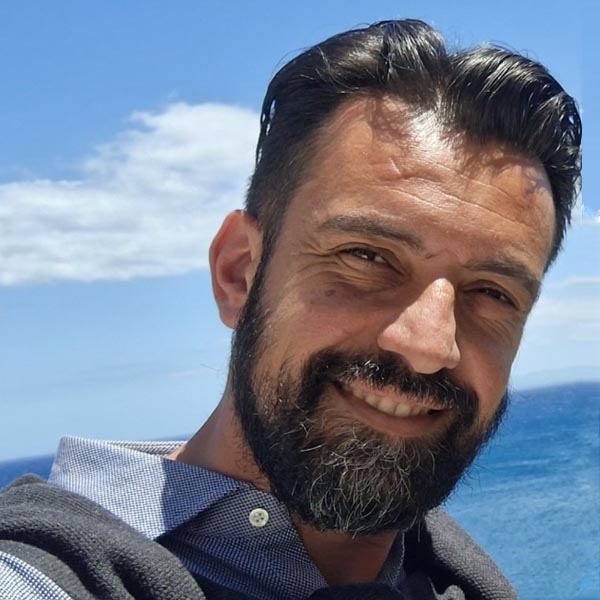
Vasilios Chatzistauros,
Educator
- “Sustainable textiles are a crucial topic for students, as they are constantly exposed to fashion trends and social media. It is important that they understand where clothes come from – from the factories where they are produced to the shops where we buy them. Many of the clothes they wear are made in countries where children are working to produce these clothes. I hope that next time they buy clothes, they will act more responsibly and take into account the information they gain through this project.”
What one change in our everyday behavior would make the biggest difference to reducing textile waste?
Dr. Maria Aivalioti,
Researcher
- “A change that can really make a difference in reducing textile waste can only be made in our mindset and not just behavior. We need to ask ourselves: Do I care about this problem? If the answer is 'yes', our behavior will probably automatically be adjusted towards contributing to its minimization by adopting already known practices, e.g. buy fewer, higher-quality items and keep them in use long. If the answer is 'no', then we just need to change our mindset to 'yes'. ”
What makes textile waste so difficult to manage?
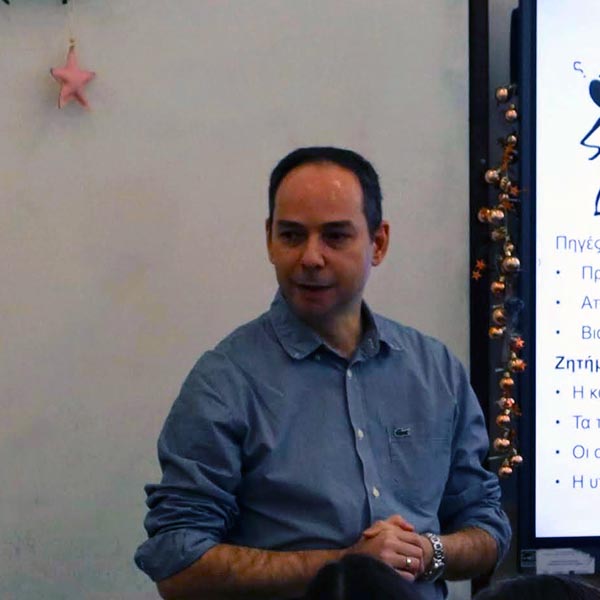
Prof. Apostolos Giannis,
Researcher
- “The main challenge in managing textile waste lies in its composition. Textile waste is a complex mixture of different materials, such as plastics and natural fibres like wool. Once these components are combined, they are very difficult to separate and treat appropriately, especially because many of them are not biodegradable and require specific treatment methods. A second challenge concerns citizens’ behavior. In many cases, people do not sort their textile waste, and it ends up mixed with general waste. In Greece, this means it is often placed in the green bin. At that point, the textiles are dirty and subsequent separation becomes extremely difficult.”
What are your expectations from the students’ work in this project?
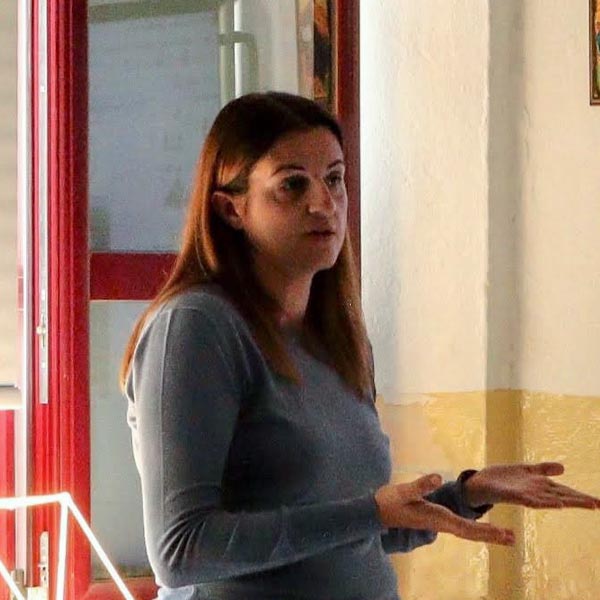
Nektaria Ligkounaki,
Educator
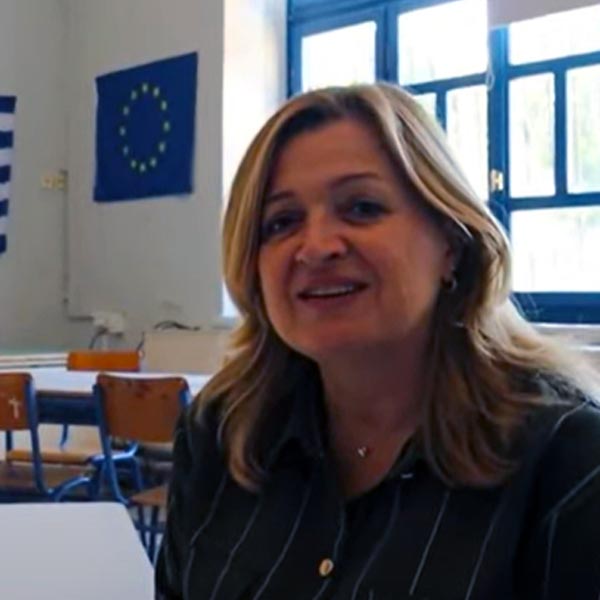
-
“I am looking forward to seeing how students will work with De Bono’s Six Thinking Hats, as this method requires cooperation, teamwork and research.
I am very curious to see how they will put their knowledge into action, what ideas they will develop, and which solutions and actions they will propose for reducing textile waste.”